Cpsia Compliant Kids Wholesale Clothing Cpc Certified Oem

Understanding the Landscape of Kids Wholesale Clothing
The kids wholesale clothing industry is a dynamic sector, driven by changing fashion trends and the constant demand for fresh inventory. For businesses seeking to excel in this area, compliance with legal requirements and ensuring quality control are crucial. Two key elements that must be understood are the Consumer Product Safety Improvement Act (CPSIA) and Quality Control (QC) audits. This article will delve into these topics to provide insights for businesses operating within this sector.
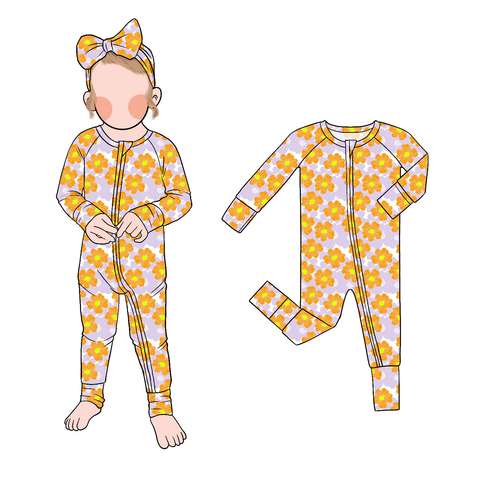
Legal Requirements: CPC and CPSIA Compliance
The Consumer Product Safety Improvement Act (CPSIA), enacted in 2008, aims to improve the safety of children's products. Compliance with CPSIA is mandatory, and businesses must understand its core requirements to avoid penalties. The act mandates rigorous testing and certification processes, especially for products targeted at children aged 12 and under.
Central to CPSIA compliance is the issuance of a Children's Product Certificate (CPC), which affirms that a product meets all applicable safety standards enforced by the Consumer Product Safety Commission (CPSC). To obtain a CPC, businesses must subject their products to comprehensive testing, either third-party or in-house, depending on the specific requirements. This certificate is a testament to the product's safety and must accompany every shipment.
Key aspects of CPSIA include limits on lead content, phthalates, and the stringent requirements for warning labels. For lead content, children's products must contain no more than 100 ppm, ensuring that exposure through handling or ingestion remains minimal. Similarly, CPSIA restricts specific phthalates in accessible parts of children's toys and childcare articles, capping permissible limits at 0.1% to mitigate risks associated with exposure.
Quality Control Audits: A Vital Component
To maintain compliance and uphold brand reputation, quality control audits are indispensable. QC audits not only verify the integrity of manufacturing processes but also affirm that products adhere to safety norms before reaching the market. In the wholesale context, where bulk quantities are involved, quality control becomes a cornerstone of operational excellence.
QC audits encompass various checks, from raw material inspection to production line evaluations, ensuring that every piece meets the set standards. Highlighted aspects usually include fabric quality, stitching durability, color consistency, and garment construction. Regular audits help in identifying defects early, reducing the risk of substandard products reaching consumers.
An effective QC strategy implements defined protocols and provides clear documentation at every stage. Modern approaches leverage technology, using data analytics and software solutions to monitor production metrics. Automation in QC processes can enhance precision, saving time and resources while boosting productivity.
Integrating Compliance and Quality Control
Integrating CPSIA compliance with QC audits necessitates a strategic approach. Businesses must intertwine safety certifications with ongoing quality assessments to ensure products not only meet legal standards but also satisfy consumer expectations for durability and design.
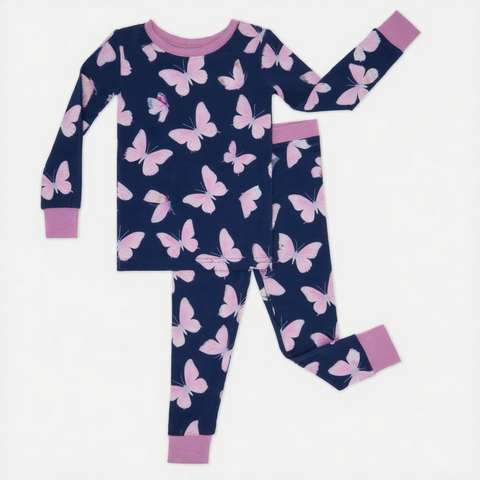
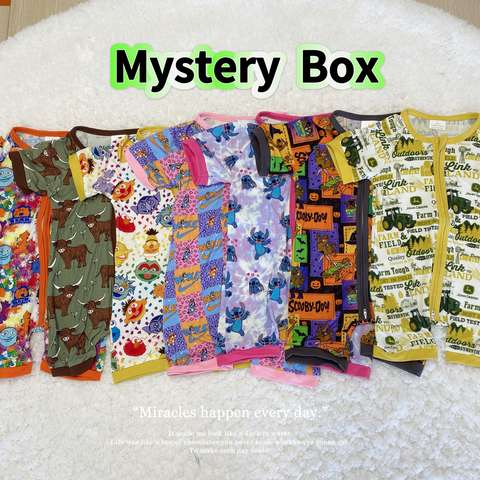
One method of achieving this is through a comprehensive risk assessment framework. This framework can pinpoint weak points in both regulatory compliance and quality parameters, allowing for proactive measures to address potential issues. Regular training for teams involved in production and quality control ensures a deep understanding of CPSIA requirements and audit procedures, fostering an environment of continuous improvement.
Collaboration with external partners, including testing laboratories and audit service providers, is beneficial. These partnerships can offer third-party validation and leverage specialized expertise, bolstering compliance efforts. , embracing sustainable practices alongside compliance supports safer and more ethically produced goods, resonating well with conscientious consumers.
: Upholding Excellence in Kids Wholesale Clothing
The intersection of CPC/CPSIA compliance and thorough QC audits forms the backbone of a successful kids wholesale clothing business. By diligently navigating these areas, companies can ensure their products are safe, high-quality, and aligned with consumer expectations. This not only safeguards the business from legal repercussions but also builds a trustworthy brand, encouraging loyalty among retailers and consumers alike.
| Fabric Type | Pima Cotton |
| Compliance | OEKO-TEX 100 |
| Customization | ODM |
| Lead Time | 35 Days |
As the industry evolves, staying informed about changes in regulations and advancements in technology will remain crucial. For businesses in the kids' clothing wholesale market, maintaining vigilance and adaptability is key to long-term success in fulfilling both legal obligations and market demands.