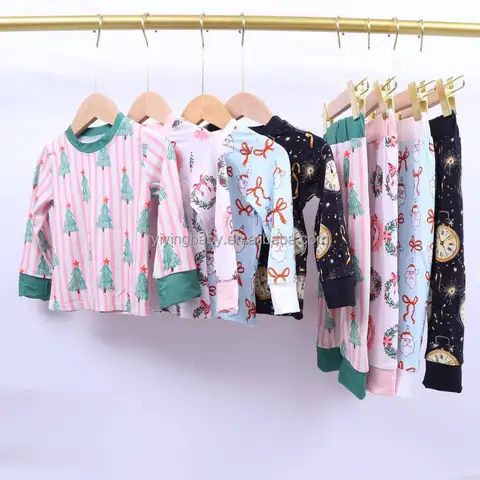
Cpsia Compliant Bulk Bamboo Baby Clothes Private Label Oem
Ensuring Compliance and Quality in Bulk Bamboo Baby Clothes: CPC and CPSIA Considerations
In the competitive landscape of baby apparel, the surge in demand for sustainable and hypoallergenic materials has popularized bamboo fabric, particularly for bulk bamboo baby clothes. As businesses navigate this growing opportunity, it becomes imperative to focus not only on quality control but also on the stringent legal requirements outlined by the Consumer Product Safety Commission (CPSC), including CPC and CPSIA regulations. This article explores both compliance and quality assurance aspects that companies must consider in sourcing and producing bamboo baby apparel.

Understanding CPSIA and CPC: Key Compliance Influences
The Consumer Product Safety Improvement Act (CPSIA) of 2008 provides the legal framework for ensuring the safety of children's products, particularly those intended for children 12 years and younger. Within the context of bamboo baby clothing, adherence to CPSIA guidelines is non-negotiable for manufacturers, wholesalers, and distributors. Central to CPSIA compliance is the Children's Product Certificate (CPC), a document that verifies the product's conformity to relevant safety standards.
The CPC requires detailed testing of products conducted by a CPSC-accredited third-party laboratory. Key considerations include stringent checks for lead content and phthalates — chemicals often used in dyes and finishes — even though bamboo fabric is predominantly marketed as a natural and eco-friendly product. Additionally, tracking labels that are also mandated by CPSIA, must be appropriately affixed to all items, allowing for easy traceability back through the production chain in case of recalls or other compliance issues.
Quality Control Audits: Essential for Bulk Bamboo Baby Clothes
Ensuring the highest quality in bulk bamboo baby clothes extends beyond compliance; it involves meticulous quality control audits that help maintain product consistency and customer satisfaction. These audits typically focus on various facets to safeguard utility and appearance:
- Material Integrity: Bamboo's natural composition is hypoallergenic, antimicrobial, and breathable, making it ideal for infant skin. Quality audits must ensure the preservation of these properties through careful assessment of the raw material sourcing processes and inspection of fabric processing methods.
- Fabrication Techniques: How bamboo is processed into fabric, whether through mechanical means or chemically-intensive processes, significantly impacts the quality assurance. An audit should verify that the methods used align with environmental safety norms and maintain the quality and eco-friendly nature of the final fabric.
- Durability and Appearance: Given the delicate nature of baby clothing, regular quality inspections prioritize testing for durability under wash stress, resistance to pile-up, and consistency of dye color — ensuring longevity and aesthetic appeal.
Integration of CPSIA Guidelines with Quality Assurance
While quality control processes can ensure consistent production standards, combining them with CPSIA compliance forms a comprehensive approach in creating trustworthy bamboo baby clothes. Various checkpoints enhance both safety compliance and quality standards:
| Fabric Type | Pima Cotton |
| Compliance | CPC Certified |
| Customization | Private Label |
| Lead Time | 15 Days |
- Non-Toxic Prints and Dyes: Suppliers should prioritize non-toxic coloring methods in line with CPSIA requirements. Verification via third-party testing for harmful chemicals ensures adherence to health safety standards.
- Sourcing and Traceability: Keeping detailed records of suppliers and production batches not only aids in compliance but also enriches quality assurance systems by tracking performance and mitigating risks.
- Labeling and Consumer Information: Clear, informative labeling that includes care instructions, material composition, and legal certification numbers fosters trust by ensuring customers understand the product's features and compliance particulars.
: Navigating Compliance and Quality in Bulk Bamboo Baby Apparel
In the realm of bulk bamboo baby clothes, businesses that strategically integrate CPSIA compliance with robust quality control audits stand to gain a significant competitive advantage. By ensuring that products meet exacting standards, companies reinforce their commitment to safety, sustainability, and consumer satisfaction. Disciplined adherence to CPC requirements coupled with thorough quality assurance exemplifies a proactive approach in delivering superior bamboo baby clothing to the market.
As industry players expand their portfolios, acknowledging these dual requisites will not only streamline operations but also position brands at the forefront of environmental stewardship and quality excellence. , harmonizing compliance with quality audits sets a benchmark for offering baby clothing that is not only safe and sustainable, but also unmistakably reliable.