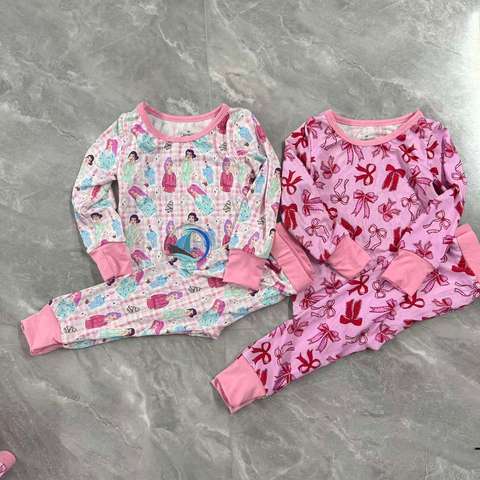
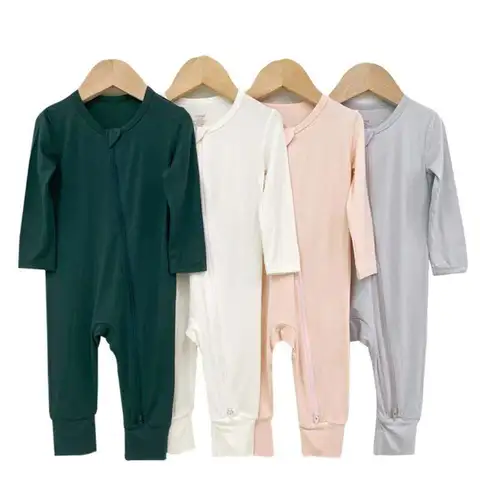
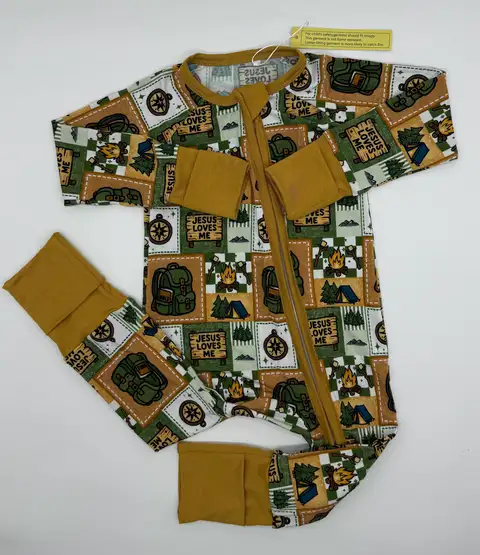
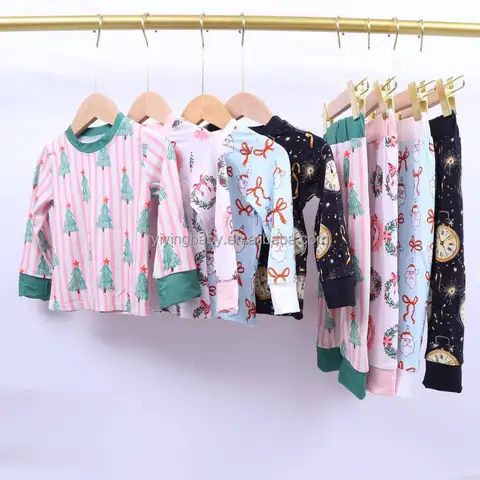
Cpsia Compliant Baby Onesie Wholesale Cpc Certified Wholesale
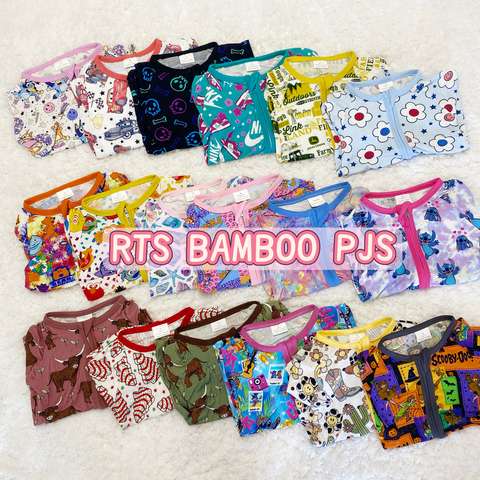
Ensuring Safety and Quality in Baby Onesie Wholesale
The wholesale market for baby onesies is booming, fueled by the continuous demand from retail businesses and consumers seeking stylish, comfortable, and safe apparel for infants. However, with this growth comes significant responsibility for wholesalers to comply with legal requirements and maintain high standards of quality control (QC). In this article, we'll explore the crucial role of compliance with the Consumer Product Safety Improvement Act (CPSIA) and effective QC audits in the wholesale business of baby onesies.
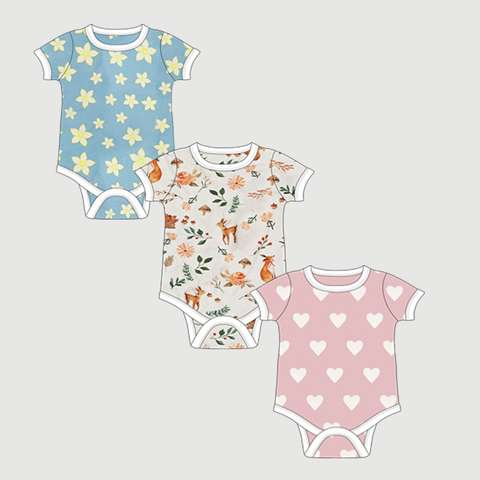
Understanding CPSIA Requirements
The CPSIA was enacted to improve safety standards in consumer products, particularly those designed for children. Wholesale suppliers and retailers need to be thoroughly familiar with CPSIA requirements to ensure the baby onesies they distribute are compliant. Failure to adhere to these standards can lead to severe consequences, including recalls, fines, and damage to reputation.
The act mandates rigorous testing, labeling, and certification processes. Key aspects include:
- Lead and Phthalates Limits: Baby onesies must adhere to strict limits for lead content (no more than 100 ppm) and phthalates (no more than 0.1% for each specified phthalate).
- Flammability Standards: Textiles used in baby onesies must pass flammability tests, ensuring that they do not catch fire easily.
- Tracking Labels: CPSIA requires tracking labels on all children's products, allowing consumers and regulators to easily access product information.
- Third-Party Testing: Products must be tested by a CPSC-approved third-party laboratory to certify compliance with safety standards.
Implementing QC Audits
Beyond CPSIA compliance, wholesale distributors must ensure the high quality of baby onesies through regular QC audits. These audits are vital in evaluating both the process and the product, ensuring consistency in quality and safety. Key components of a successful QC audit include:
- Material Inspection: Regular checks of materials used for manufacturing to ensure they meet established quality and safety benchmarks.
- Production Process Reviews: Assess manufacturing protocols to ensure they align with industry standards and regulatory requirements.
- Finished Product Examination: Conduct detailed inspections of the final product to check for defects and confirm that it meets specified standards.
- Supplier Evaluation: Periodic audits of suppliers to ensure that they adhere to ethical practices and produce safe, high-quality materials.
Creating a Successful Compliance Strategy
A robust compliance strategy is essential for baby onesie wholesalers to navigate the complexities of CPSIA requirements and QC audits. This demands a proactive approach, including:
- Education and Training: Continuously update your team on regulatory changes and best practices in QC procedures.
- Technology Utilization: Employ advanced technologies such as IoT-based tracking systems and AI-driven data analysis for real-time monitoring and process optimization.
- Document Management: Maintain detailed records of compliance certificates, audit results, and process modifications to ensure transparency and accountability.
- Continuous Improvement: Regularly review and update compliance and QC processes to address new regulations and emerging industry trends.
Understanding Consumer Expectations
In addition to regulatory compliance and QC audits, understanding consumer expectations is crucial for success in the baby onesie wholesale market. Today’s consumers prioritize:
| Fabric Type | Pima Cotton |
| Compliance | GOTS Organic |
| Customization | OEM |
| Lead Time | 23 Days |
- Safety and Comfort: Safety remains the top priority, but consumers also demand soft, breathable fabrics that prioritize an infant’s comfort.
- Eco-Friendliness: Environmentally conscious buyers prefer sustainable materials and processes that reduce the carbon footprint.
- Design and Aesthetics: Parents desire trendy and cute designs for baby onesies, reflecting personal style and preferences.
- Value for Money: High-quality products at competitive prices continue to drive purchasing decisions in the market.
Navigating Legal and Ethical Challenges
The wholesale of baby onesies is fraught with legal and ethical challenges, from intellectual property issues to labor practices. To navigate these challenges:
- Adopt Ethical Manufacturing Practices: Ensure that production facilities follow humane labor practices and promote worker safety.
- Intellectual Property Compliance: Protect your designs while respecting the intellectual property rights of others by adhering to trademark and copyright laws.
- Transparency in Operations: Build trust with consumers by being transparent about your sourcing, manufacturing, and quality assurance processes.
- Engagement with Regulatory Bodies: Maintain a collaborative relationship with regulatory authorities to ensure compliance and address any potential issues proactively.
, the baby onesie wholesale market presents exciting opportunities but demands meticulous attention to safety, quality, and consumer expectations. By adhering to CPSIA standards and implementing thorough QC audits, wholesalers can ensure their products meet regulatory requirements and surpass customer expectations, laying the foundation for sustained success and growth in the industry.