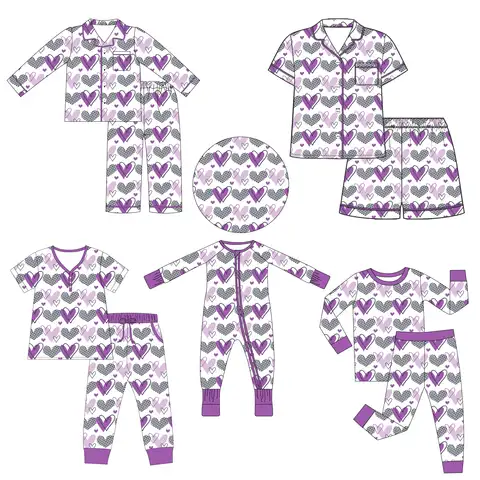
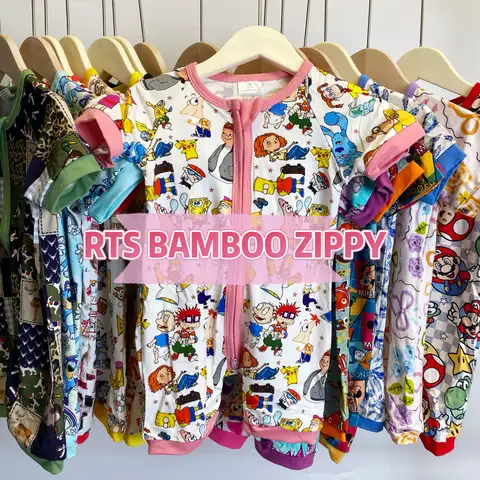
Cpsia Compliant Baby Girl Clothes Bulk Private Label Oem
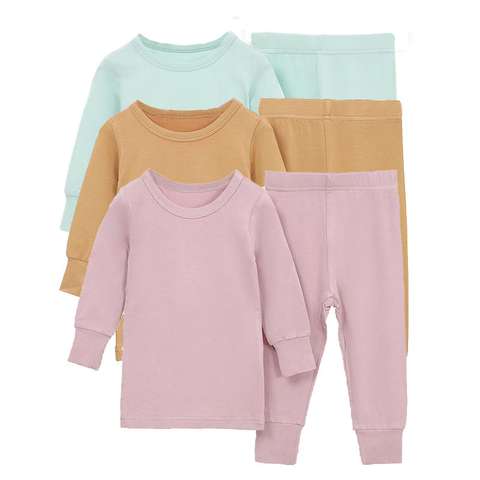
Ensuring Compliance and Quality in Bulk Baby Girl Clothes Production
In the realm of infant apparel, navigating the intricate web of legal requirements and quality control standards is vital for businesses seeking to produce and distribute bulk baby girl clothes. As the demand for these products grows, so does the need for ensuring compliance with federal regulations such as the Consumer Product Safety Improvement Act (CPSIA) and high-quality assurance through comprehensive Quality Control (QC) audits.
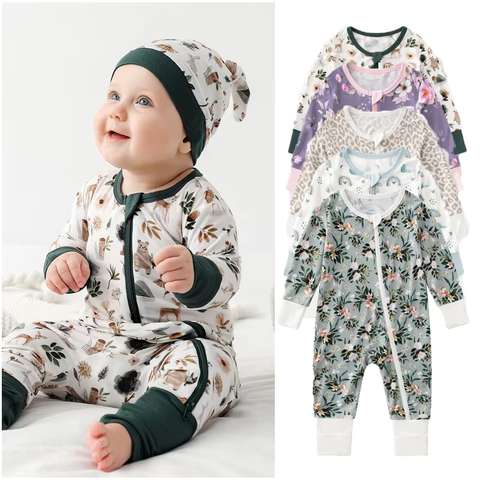
Navigating CPC and CPSIA Legal Requirements
The Consumer Product Safety Commission (CPSC) sets forth stringent guidelines under the Consumer Product Safety Improvement Act (CPSIA), aimed at protecting children from harmful substances and unsafe products. For manufacturers and distributors of baby girl clothes, understanding these requirements is essential for both legal compliance and consumer safety.
One of the primary mandates of the CPSIA is the limitation on phthalates in children's products. Phthalates, often used as plasticizers in textiles, are known to pose health risks. Bulk producers must ensure that baby girl clothes have phthalate concentrations below specified levels to maintain compliance.
Additionally, the CPSIA requires third-party testing and certification for children's products, including baby garments. Employing certified laboratories to conduct these tests can be a strategic move, assuring retailers and end consumers of the product's safety and compliance with federal standards.
Conducting Comprehensive QC Audits
Quality Control (QC) audits serve as a vital mechanism in maintaining the integrity and standard of bulk baby girl clothes. These audits encompass several factors, including material inspection, production process evaluation, and final product assessments.
Material Inspection
Material quality forms the foundation of any garment's durability and safety. For baby girl clothes, materials should be soft, hypoallergenic, and free from harmful chemicals. A QC audit will inspect the raw materials for quality and conformity with legal standards such as CPSIA. Implementing a rigorous inspection regimen ensures that materials used in production meet both regulatory requirements and consumer expectations.
Production Process Evaluation
The manufacturing process is another critical component in ensuring quality. QC audits should monitor each stage of production, from cutting to sewing to finishing. This continuous oversight helps in identifying and rectifying any potential defects early in the manufacturing cycle. Utilizing advanced technologies, like automated stitching and AI-driven production monitoring systems, can enhance accuracy and consistency in bulk production.
Final Product Assessments
Before the baby girl clothes reach the market, a final QC audit should be performed to verify the appearance, size accuracy, and safety standards of the finished product. Inspectors should look for defects such as loose threads, uneven colors, or irregular sizing, that could affect consumer satisfaction or safety. Additionally, inspectors should conduct random sampling to ensure that quality is maintained consistently across the entire bulk shipment.
Implementing Effective Strategies for Business Success
Adhering to CPC/CPSIA requirements and conducting thorough QC audits are crucial steps toward business success, but they must be complemented by effective strategies to ensure optimal operation and market competitiveness.
Supplier Partnerships
Building strong relationships with reputable suppliers can significantly impact the quality and compliance of baby girl clothes. Selecting suppliers who are transparent and well-versed in regulatory standards will facilitate smoother operations and reduce the risk of non-compliance. Collaborative relationships ensure that materials and components are not only cost-effective but also meet the necessary safety and quality benchmarks.
Continuous Training
Investing in continuous training for all staff involved in the production and quality control processes can add tremendous value. Training programs on regulatory compliance, technological advancements, and quality assurance methods keep teams updated and equipped to handle evolving industry standards. This proactive approach helps mitigate risks and fosters a culture of quality throughout the enterprise.
Technology Integration
Incorporating technology into production and QC processes can streamline operations and enhance accuracy. Using software solutions for tracking compliance metrics, automating inspection protocols, and managing detailed records of quality audits will enable businesses to maintain high standards and swiftly address any concerns. , leveraging data analytics can provide insights into production efficiency and help in making informed decisions.
| Fabric Type | Organic Bamboo |
| Compliance | CPSIA Compliant |
| Customization | Custom |
| Lead Time | 27 Days |
Ultimately, producing and distributing bulk baby girl clothes demands meticulous attention to compliance, quality control, and strategic planning. By understanding and implementing CPC/CPSIA guidelines, conducting comprehensive QC audits, and enacting effective business strategies, companies can ensure not only regulatory adherence but also customer satisfaction and business success.