Cpsia Compliant Baby Clothes With Their Name On It Custom Exporter
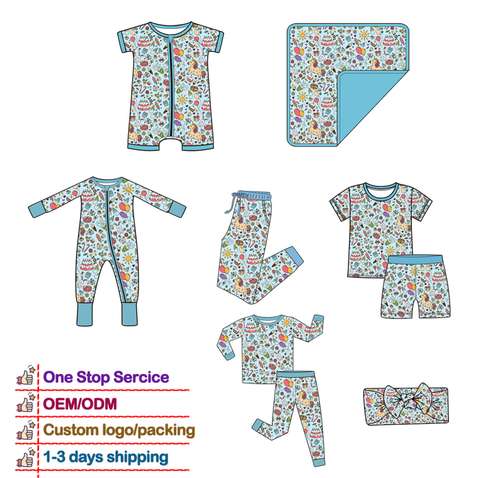
Ensuring Compliance and Quality in Personalized Baby Clothing
In today’s retail landscape, the demand for personalized products such as baby clothes with names on them is surging. This trend reflects a consumer desire for uniqueness and customization in baby apparel. However, for businesses looking to capitalize on this trend, it is crucial to navigate the complex legal requirements set by the Consumer Product Safety Improvement Act (CPSIA) and adhere to stringent quality control (QC) standards.
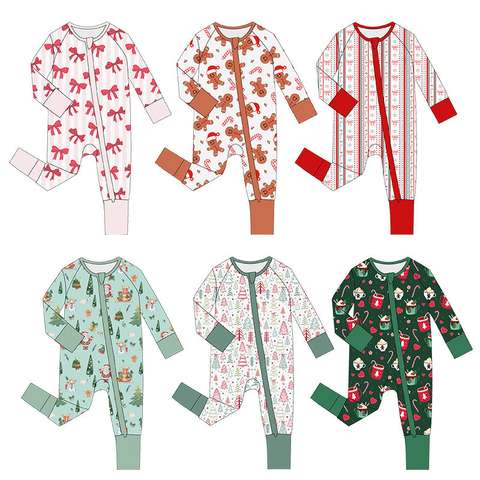
Understanding CPSIA Legal Requirements
Personalized baby clothing, like any other children’s apparel, falls under the jurisdiction of the Consumer Product Safety Improvement Act (CPSIA), enacted in 2008. The CPSIA was designed to address safety concerns associated with children’s products, demanding rigorous testing, certification, and labeling.
Testing and Certification Requirements:
Before personalized baby clothes can be marketed and sold, they must undergo stringent testing to ensure they meet CPSIA safety standards. This includes tests for lead content, phthalates, and other potentially hazardous substances. Businesses must obtain a Children’s Product Certificate (CPC) confirming compliance. This CPC must accompany each batch of products sold to demonstrate adherence to safety protocols.
Labeling Requirements:
CPSIA mandates specific labeling on children’s apparel. Personalized baby clothes must contain permanent tracking labels, which include information about the product's source, the manufacturing date, and batch identification. Transparency in labeling is not only a legal requirement but also increases consumer trust.
The Role of Quality Control Audits
Quality control audits are an essential component of manufacturing personalized baby clothing. These audits serve multiple purposes: verifying the consistency of personalization processes, ensuring the durability and safety of the fabrics and prints used, and maintaining product quality. Consistent QC audits can safeguard against recalls, which can be costly and tarnish a brand's reputation.
Process Audits:
Conducting process audits in the production of personalized baby clothes involves examining the entire checklist from design to final product. This includes the color fastness of dyes used in personalization, adherence to design specifications, and the robustness of any added materials. Process audits help in identifying discrepancies early in the manufacturing phase, when they are easier and cheaper to fix.
Product Safety Audits:
Ensuring the safety of baby clothes means evaluating features like stitching integrity, button or accessory placement, and fabric strength. Product safety audits must assess these factors to ensure the finished product is safe for infants, who are especially vulnerable to choking hazards and skin irritations. Routine safety audits foster high standards and diminish the risk of legal liabilities.
Balancing Creativity with Compliance
Creating personalized baby clothing involves an element of creativity. Businesses need to be innovative to stand out in a fiercely competitive market. However, creativity must be balanced with compliance. Ignoring CPSIA standards or QC procedures to expedite production or cutting corners to offer lower prices can backfire disastrously.
Creative Compliance:
Using heat transfer printing or embroidery for adding names can be an innovative yet compliant way to personalize baby clothing. These methods must be evaluated for safety, particularly for irritants, and their durability over repeated wash cycles. Ensuring these customization techniques meet safety standards can support creativity without compromising compliance.

Material Selection:
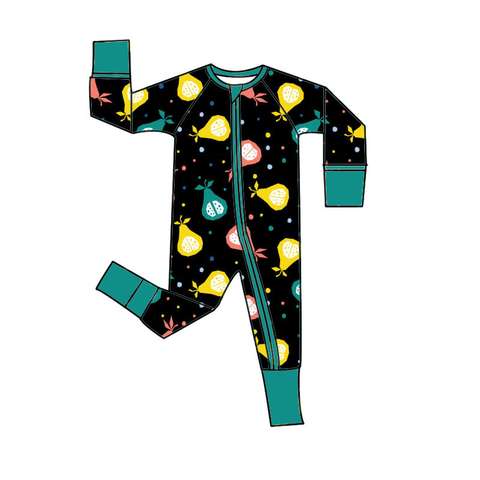
Choosing the right fabrics is critical. Organic cotton stands out as a safe, compliant material due to its hypoallergenic properties and environmental sustainability. While it may be more costly, it aligns with consumer preferences for quality and safety, increasing product appeal while satisfying CPSIA requirements.
Benefits of Compliance and High QC Standards
Adhering to CPSIA regulations and maintaining high quality control standards not only provides legal protection but also enhances brand credibility. Consumers are assured of safety and quality, fostering brand loyalty and potentially increasing sales.
Building Brand Trust:
| Fabric Type | Pima Cotton |
| Compliance | CPSIA Compliant |
| Customization | OEM |
| Lead Time | 22 Days |
In a market where parents are increasingly selective about what they purchase for their children, demonstrating commitment to safety through compliance and quality excellence sets a business apart. This trust can be a decisive factor in winning loyal customers who prioritize their child’s well-being above all else.
Reducing Liability Risks:
By complying with CPSIA standards and conducting regular QC audits, businesses can significantly reduce the risk of future legal liabilities associated with product safety. This proactive approach not only ensures adherence to current regulations but also allows for swift identification and correction of potential issues.
Personalized baby clothing is a thriving market segment, offering exciting opportunities for businesses willing to marry creativity with compliance. Navigating the complexities of CPSIA requirements and maintaining rigorous QC audits are paramount to ensuring product safety and quality.
In doing so, businesses can not only safeguard themselves against potential legal issues but also build robust consumer trust, ensuring long-term success in the competitive arena of children's apparel. Personalized products need not compromise safety for uniqueness—a balance that informed businesses can achieve by integrating compliance and quality control into their creative processes.