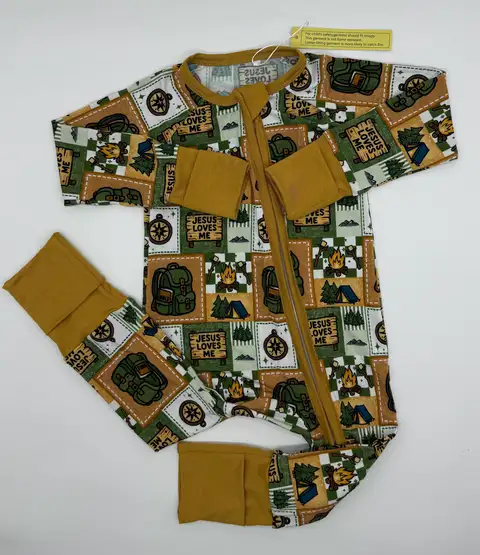
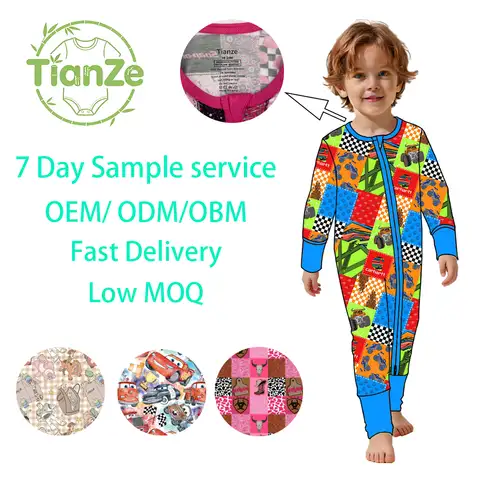
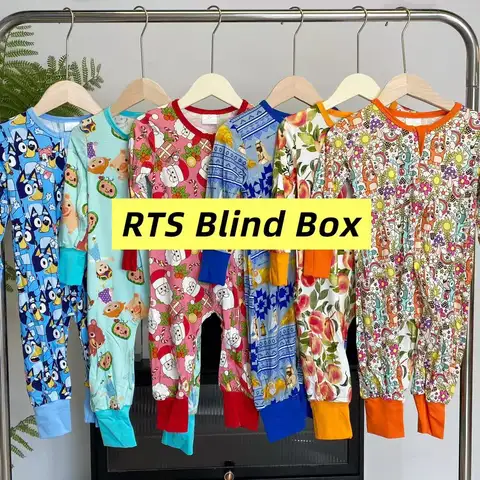
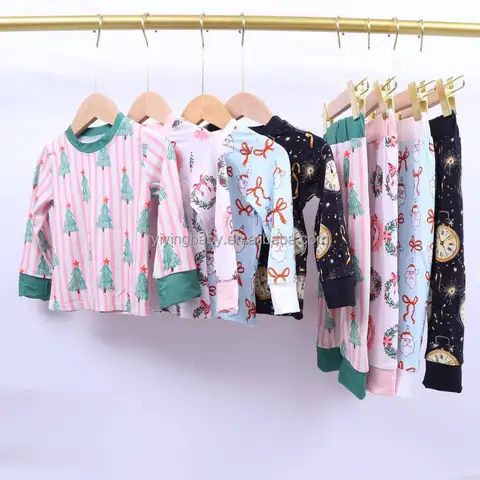
Cpsia Compliant Baby Clothes Wholesale Suppliers Tailormade Factory
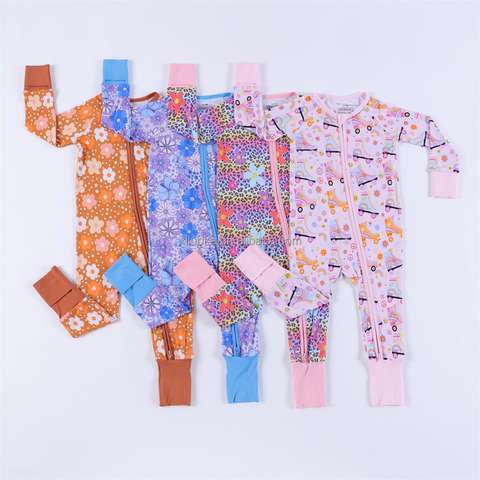
The Crucial Role of Baby Clothes Wholesale Suppliers in Meeting CPC/CPSIA Requirements
The baby clothing industry is a vibrant market teeming with colorful designs and soft fabrics. However, behind the cozy images is a complex web of legal obligations and quality control processes that every wholesale supplier must navigate to ensure safety and compliance. In this article, we delve into the legal requirements of the Consumer Product Safety Improvement Act (CPSIA) and the Consumer Product Code (CPC), alongside the integral role of Quality Control (QC) audits.
Understanding CPC/CPSIA Regulations
The Consumer Product Safety Improvement Act of 2008 was enacted to increase the safety standards for products, especially those intended for children. This act mandates rigorous testing and certification processes to prevent harmful substances from reaching the market. Baby clothes wholesale suppliers must have thorough knowledge and systems in place to ensure their offerings comply with these regulations.
CPSIA requires suppliers to meet several criteria, including lead limits in textiles, phthalate restrictions, and durable infant apparel labeling. Suppliers are responsible not only for meeting these standards but also for maintaining records that demonstrate compliance, which are crucial in the event of audits or legal inquiries.
The Importance of Lead Testing in Baby Apparel
The threat of lead contamination is a critical concern within the infant clothing sector. CPSIA mandates stringent lead content limits, particularly because lead exposure poses significant health risks, especially to young children. Wholesale suppliers must ensure that all garments, snaps, zippers, and embellishments in baby apparel meet the safe lead content limits. Typically, this involves partnering with certified testing labs to conduct both surface coatings and substrate lead tests.
The use of certified laboratories for these tests is non-negotiable; it not only aids compliance but also builds trust with buyers who are increasingly aware of safety standards. Suppliers who demonstrate reliable testing procedures and transparency in their processes are better positioned in the competitive market.
Phthalate Restrictions and Their Implications
Phthalates, often used to soften plastics, are another substance restricted under CPSIA due to their harmful health effects. Baby clothes wholesale suppliers must ensure that fabrics, especially those with soft prints or rubberized logos, are free from phthalates within the allowed limits. This often requires close collaboration with material manufacturers and rigorous testing to validate compliance.
Suppliers must be proactive, using phthalate-free materials and regularly undergoing compliance testing. Staying ahead in understanding chemical restrictions helps in avoiding costly recalls and fostering reputation as a safety-conscious supplier.
The Role of Durable Infants Labeling
Labeling is more than a marketing tool; it's a critical component of compliance. CPSIA necessitates precise and durable labeling for all children's products, including baby clothing. This includes tracking labels that identify the manufacturer, production location, and date, which are invaluable during a product recall.
Wholesale suppliers should invest in quality labels that withstand the wear and tear of baby clothes usage without fading. They should also educate their partners on the importance of accurate labeling as part of quality assurance and compliance processes.
Quality Control Audits: A Pillar of Compliance
Ensuring compliance goes beyond meeting legal mandates — it involves perpetual assessment through Quality Control (QC) audits. These audits are essential for validating that every step in the supply chain conforms to established safety standards.
QC audits involve checking every aspect of baby clothing production, from fabric sourcing to final product inspection. Suppliers must have robust procedures to ensure that their quality teams are skilled in identifying non-compliance issues, whether it be flawed stitching or inaccurate labeling.
Additionally, audits can be instrumental in uncovering inefficiencies or opportunities for improvement across manufacturing and operational processes, ensuring that suppliers maintain high standards while optimizing their operations.
Navigating the Challenges in Compliance and Production
Adhering to CPC/CPSIA standards while managing production efficiency is no small feat for baby clothes wholesale suppliers. The key is in balancing stringent compliance requirements with cost-effective production processes. By investing in reliable testing procedures and comprehensive audits, suppliers not only align with safety mandates but also enhance their market credibility.
Wholesale suppliers should also be proactive in staying informed about amendments to legislation or emerging safety standards. Close collaboration with industry experts and regulatory bodies can provide updated insights, ensuring suppliers are always ahead of compliance shifts.
Building Alliances with Testing Laboratories
Strategic partnerships with certified testing laboratories are invaluable. Suppliers can benefit from having direct lines to testing facilities that offer expedited processes and expert advice. Such collaborations allow suppliers to streamline their compliance efforts, ensuring timely product launches and adherence to safety standards.
Optimizing Production for Compliance
Beyond safety, efficiency in production is vital. Suppliers must integrate compliance into their operational workflows, ensuring that production schedules align with testing timelines and audit requirements. This integration optimizes both production and compliance, contributing to smoother operations and market readiness.
Regular training for production staff on CPC/CPSIA requirements can bolster internal compliance efforts. Educated teams are less likely to make costly mistakes and more adept at managing quality throughout the production cycle.
Leveraging Technology for Compliance
In the age of technology, suppliers have access to numerous tools that can simplify compliance checks, streamline audits, and manage production data effectively. Software solutions designed for tracking quality control metrics and integration with testing labs can aid in maintaining consistent compliance with regulatory standards.
Technology also offers predictive analytics, helping suppliers anticipate compliance risks and adjust their processes accordingly. Suppliers who invest in these technologies often see enhanced productivity and reliable compliance, strengthening their market position.
: The Path Forward for Wholesale Suppliers
Baby clothes wholesale suppliers are pivotal players in the market, with the power to shape industry standards through compliance and quality assurance. Understanding and applying CPSIA and CPC requirements is critical, not only for legal conformity but also for forging trust with consumers and businesses alike. Amidst evolving regulations and competitive pressures, suppliers who embrace stringent compliance processes, strategic partnerships, and technological optimization are well-positioned to thrive in the dynamic landscape of baby clothing wholesale.
| Fabric Type | Organic Bamboo |
| Compliance | OEKO-TEX 100 |
| Customization | Private Label |
| Lead Time | 39 Days |