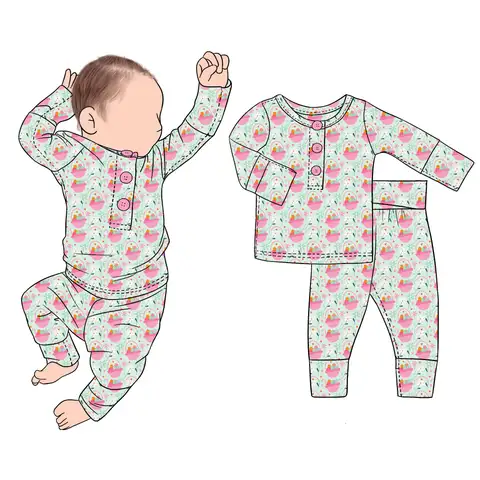
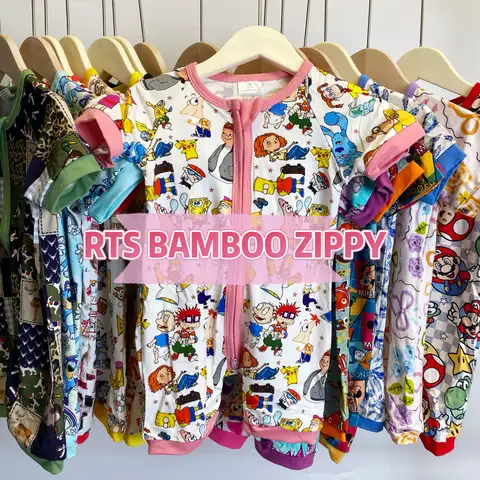
Cpsia Compliant Baby Clothes In Bulk Custom Vendor
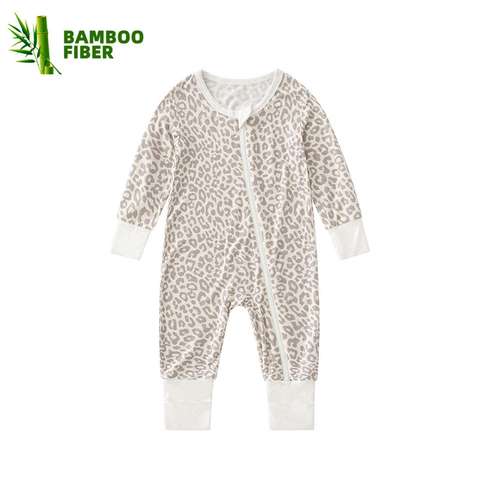
Ensuring Compliance and Quality in Bulk Baby Clothes Production: A Guide for Businesses
When it comes to the mass production of baby clothes, businesses are tasked with the dual responsibility of meeting stringent compliance standards and ensuring high-quality products. In this article, we delve into the legal requirements set forth by the Consumer Product Safety Improvement Act (CPSIA) and the Canadian Consumer Product Safety Act (CPC), while exploring effective quality control (QC) audit practices. This comprehensive guide is designed for manufacturers and distributors seeking to excel in the competitive baby clothing market.
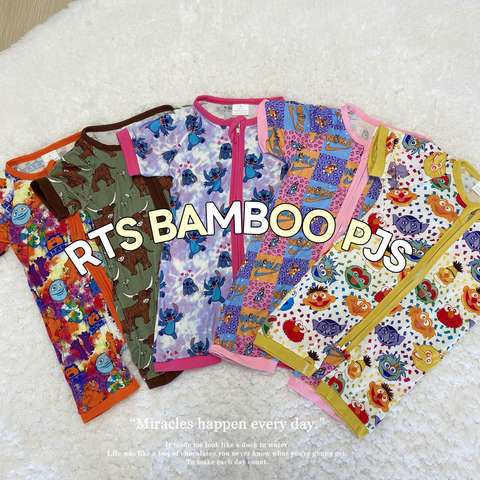
Understanding CPSIA Requirements
The CPSIA outlines regulations that businesses must follow to ensure the safety of consumer products, particularly those designed for children. Key aspects include:

- Lead Content Limits: The CPSIA restricts the amount of lead content in children’s products to no more than 100 parts per million (ppm).
- Phthalates Restrictions: Infant clothing must be free from specified phthalates, chemicals often used to make plastics more flexible.
- Mandatory Product Testing: Independent third-party testing is required to certify compliance, ensuring products meet safety standards before entering the market.
- Tracking Labels: Baby clothes need to include permanent labels that provide essential information about the product source and its compliance status.
Each of these requirements serves to protect the health and safety of infants, making adherence not only a legal obligation but also a selling point for discerning commercial clients.
Complying with CPC Requirements
Similar to the CPSIA, the Canadian Consumer Product Safety Act (CPC) imposes regulations on baby clothing, focusing on the reduction of risks associated with these products:
- Consumer Product Safety: Products must pass safety evaluations which include assessing flammability, toxicology, and structural integrity.
- Recall Procedures: Effective recall strategies must be established as part of conformity to CPC requirements, ensuring swift action in the event of a safety issue.
- Ingredient and Material Monitoring: The CPC obliges businesses to monitor and document the materials used in production to prevent the use of hazardous substances.
Compliance with CPC regulations not only fulfills legal obligations but also enhances reputation among Canadian consumers concerned with product safety.
| Fabric Type | Organic Bamboo |
| Compliance | CPSIA Compliant |
| Customization | Private Label |
| Lead Time | 26 Days |
Implementing Effective QC Audits
Quality control is essential to maintaining the integrity of baby clothes, especially when producing and selling in bulk. An effective QC audit system involves several critical steps:
- Supplier Verification: Begin with a thorough evaluation of suppliers to ensure they adhere to both CPSIA and CPC standards. An initial audit should check historical compliance records and manufacturing capabilities.
- Raw Material Testing: Conduct rigorous testing of all fabrics and materials intended for use in production, verifying safety and durability attributes. This phase includes testing for chemicals restricted by CPSIA and CPC regulations.
- In-Process Inspections: Regular inspections during the manufacturing process can help identify defects, allowing for immediate correction before the final production stage.
- Final Product Evaluation: Each batch of finished baby clothes should undergo a comprehensive assessment, checking for adherence to design specifications, labeling accuracy, and quality.
- Post-Market Surveillance: Implement a system to monitor consumer feedback and product performance, using this data to improve future production cycles and address any emerging safety concerns.
These QC audit practices help ensure consistency and safety across large-scale production operations, contributing to brand loyalty and compliance with legal standards.
Strategies for Success in the Bulk Baby Clothes Market
, the successful production of bulk baby clothes that meet CPSIA and CPC legal requirements involves a meticulous approach to quality and compliance. Businesses should incorporate the following strategies:
- Continuous Education and Training: Stay informed about changes in legal requirements and best practices, ensuring your team is equipped with the necessary knowledge to maintain standards.
- Investing in Technology: Leverage technology to streamline QC audits and enhance tracking of compliance documentation, ensuring efficiency and accuracy.
- Building Strong Supplier Relationships: Develop partnerships with suppliers who are committed to safety and quality, facilitating smoother operations and reducing risk.
- Transparent Communication: Maintain open lines of communication with stakeholders about compliance strategies and quality assurance measures, fostering trust and reliability.
By prioritizing legal compliance and rigorous quality control, businesses can not only mitigate risks but also carve out a distinguished reputation in the baby clothing industry. With baby clothes being a sensitive product category, attention to detail and a commitment to safety are crucial for sustained success.