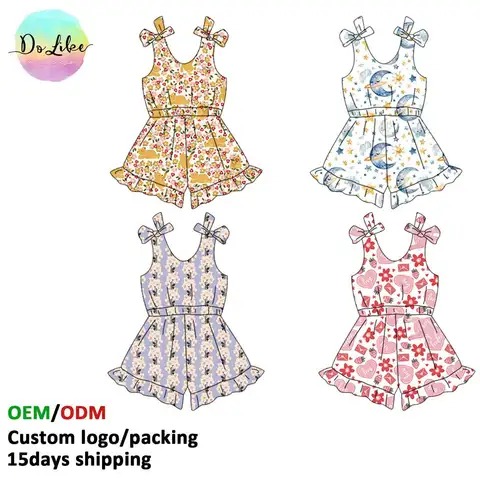
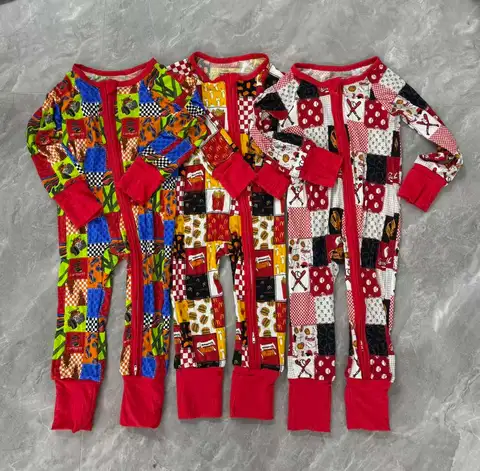
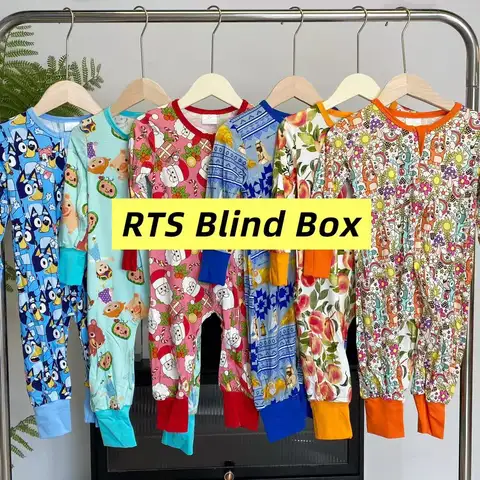
Cpsia Compliant Baby Clothes China Custom Factory
Ensuring Compliance and Quality in Baby Clothes Manufacturing in China
Producing baby clothing requires a meticulous approach, understanding both the legal framework and quality control procedures. China, as a major player in the textile industry, presents unique opportunities and challenges for businesses worldwide seeking efficient production routes. This article details the crucial CPC/CPSIA compliance requirements and quality control (QC) audits necessary when manufacturing baby clothes in China.
Understanding CPC/CPSIA Requirements for Baby Clothing
The Consumer Product Safety Improvement Act (CPSIA) is foundational in regulating children's products in the United States, including baby clothing. For imports from China, manufacturers and importers must ensure compliance with CPSIA-relevant rules. The Children's Product Certificate (CPC) is a mandatory certification, asserting that the product meets requisite safety standards.
The CPC involves various testing procedures, essential for confirming compliance with standards relating to lead content, phthalates, and other harmful chemicals. Under CPSIA, baby clothing must adhere to limits set on these substances, ensuring products are safe for infants. Engaging in rigorous testing prior to importation helps prevent costly recalls and significant health risks.
Conducting Comprehensive Quality Control Audits
Quality control audits in China are integral to maintaining the high standards required for baby clothing production. These audits encompass various stages, from material sourcing to the final inspection of the finished product. Businesses must establish stringent QC measures to ensure products are defect-free and meet international standards.
Pre-Production Material and Component Verification
The initial stage of any QC audit involves verifying the quality and compliance of raw materials and components. Materials used in baby clothes, such as cotton, polyester, or blends must be inspected for durability, safety, and comfort. This stage often involves collaboration with suppliers to secure certificates of conformity and detailed testing reports that align with CPSIA and other international standards.
In-Process Quality Control
Throughout the manufacturing process, maintaining uniform quality is essential. In-process inspections target the consistency of production, ensuring that specifications are met in terms of dimensions, stitching quality, and design adherence. Continuous monitoring during this phase prevents errors that might be costly to rectify in later stages.
Quality checks at this stage often require additional testing equipment to assess seam strength and fabric resilience, focusing on durability—critical for baby clothing subjected to frequent washing and wear. Regular audits help manufacturers in China uphold quality benchmarks, avoiding deviations from expected standards.
Final Product Inspection and Testing
The final phase of QC audits is crucial in ensuring baby clothing complies with required standards. Detailed inspections evaluate product features, packaging, labeling, and appearance. For garments intended for infants, even minor defects can result in customer dissatisfaction and potential safety hazards.
Testing protocols at this stage are expansive, often necessitating third-party testing agencies to conduct flammability tests, chemical resistance evaluations, and rigorous assessments of physical components like buttons and zippers. Final product testing ensures that every garment is safe, durable, and aesthetically pleasing, aligning with the expectations of global consumers.
Navigating Challenges in Quality and Compliance
Manufacturers and importers face numerous challenges, including language barriers, cultural differences, and varying standards between China and western markets. Effective communication strategies and clear contractual obligations help mitigate risks associated with these challenges.
One crucial consideration is selecting reputable factories that not only understand regulatory requirements but also possess a proven track record of consistency in quality outputs. Global sourcing agents typically play a vital role in bridging the gap between design specifications in foreign markets and manufacturing capacity in China.
Developing Robust Supplier Relationships
Establishing a trustworthy network of suppliers is essential for achieving compliance and maintaining quality. Engaging with suppliers who prioritize transparency and have certified production capabilities is beneficial. Regular site visits and audits foster ongoing trust and ensure suppliers’ commitment to adhering to CPC/CPSIA regulations and high-quality standards.
The complexity of Chinese bureaucracies and procedures calls for robust operational strategies. Businesses often invest in local representatives who understand the intricacies of Chinese manufacturing processes and compliance laws. Their local expertise can be invaluable in overcoming logistical hurdles and ensuring streamlined operations.
| Fabric Type | Organic Bamboo |
| Compliance | OEKO-TEX 100 |
| Customization | OEM |
| Lead Time | 28 Days |
Manufacturing baby clothes in China offers substantial benefits if approached correctly through compliance with CPC/CPSIA standards and implementation of rigorous quality control audits. By meticulously following legal and QC requirements, businesses can confidently produce high-quality, compliant baby clothing that meets the demands of international markets.
Ultimately, success hinges on the effective management of production processes and supplier relationships, ensuring that each piece of baby clothing is crafted with safety, quality, and customer satisfaction in mind. As demand continues to grow, meeting these essential standards will protect and enhance brand reputation globally.