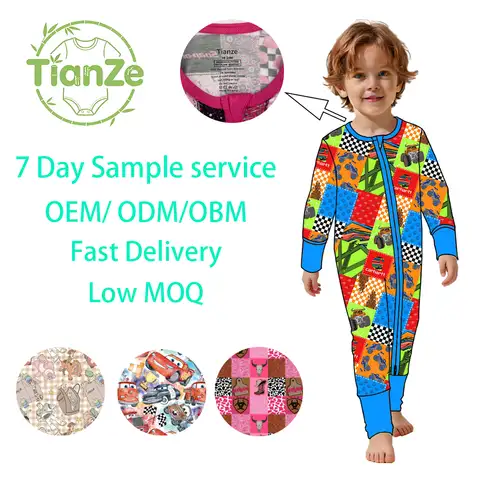
Cpc Certified Bulk Baby Sleepers Astm F963 Wholesale

The Importance of CPC and CPSIA Compliance in Bulk Baby Sleepers
When sourcing bulk baby sleepers, understanding the legal requirements and quality standards becomes pivotal. The Consumer Product Safety Commission (CPSC) ensures the safety of consumer goods, especially those for infants and children. Manufacturers and retailers must remain compliant with the Consumer Product Safety Improvement Act (CPSIA) to ensure each product's safety and quality. This article delves into the significance of staying compliant with these regulations and implementing robust quality control (QC) audits.

Understanding CPSIA and Its Implications
The CPSIA, enacted in 2008, mainly targets children's products, including baby sleepers. It introduced stringent guidelines about permissible lead levels, phthalates, and mandatory testing and certification processes. This law covers products for children under 12 years old, with specific emphasis on those aimed at infants.
For baby sleepers, CPSIA compliance means:

- Lead Content: The acceptable limit in any accessible part is 100 parts per million (ppm). Manufacturers should ensure fabric dyes and printing inks meet this standard.
- Phthalate Restrictions: Often used to improve plastic flexibility, phthalates are restricted in sleepwear for infants. Testing should include the entire garment, particularly rubberized appliqués or grips.
- Flammability Standards: Sleepwear must conform to specific flammability standards unless labeled as "tight-fitting". Testing must validate non-combustibility as per CPSC 16 CFR Part 1615/1616.
CPC Requirements for Baby Sleepers
The Children's Product Certificate (CPC) is a mandatory document, certifying the product's compliance with applicable safety regulations. Key elements included in a CPC for baby sleepers are:
- Identification of the product, including model numbers.
- Citation of the CPSC regulations applicable to the product.
- Details of the testing laboratory, especially if third-party testing is utilized.
- Date and place where the product was manufactured and tested.
Maintaining a valid and accurate CPC is non-negotiable. Manufacturers must keep these documents updated and accessible, guaranteeing transparency and accountability in potential audits or investigations.
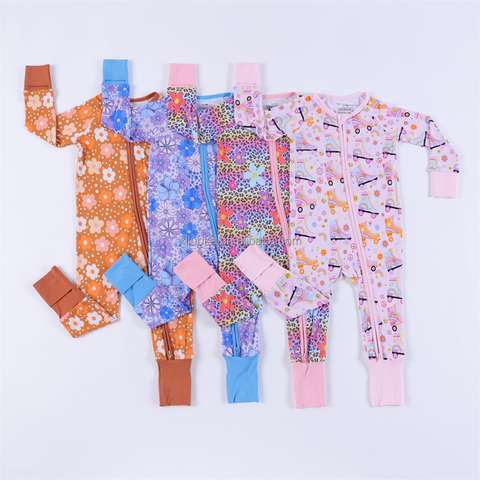
| Fabric Type | Organic Bamboo |
| Compliance | CPSIA Compliant |
| Customization | Custom |
| Lead Time | 40 Days |
Implementing Effective QC Audits
Quality Control audits play an integral role in ensuring compliance and maintaining product integrity. A robust QC system involves regular inspections, rigorous testing, and comprehensive documentation. Here’s how businesses can elevate their QC process:
- Pre-Production Planning: Begin with a detailed production overview, including fabric sourcing, pattern accuracy, and design verification. Aligning samples with CPSIA standards reduces the risk of non-compliance later.
- In-Line Inspection: Conduct inspections during production to identify and correct defects early. This helps to maintain consistency with design specifications and material quality.
- Final Product Testing: Execute thorough final product inspections, focusing on physical and chemical safety tests. Engage with verified third-party labs for unbiased results, ensuring complete adherence to CPC and CPSIA requirements.
Engaging Third-Party Testing Facilities
Partnering with accredited third-party laboratories can provide credible safety and compliance confirmation. These facilities offer independent verification of product standards, crucial for maintaining retailer trust and consumer confidence. When selecting a testing partner, businesses should consider their track records in handling child product safety tests, cost-effectiveness, and reliability of results.
- Laboratory Recognition: Verify the lab's accreditation for CPSIA-specific testing, which can mitigate risks of non-compliance.
- Comprehensive Reporting: Ensure reports from labs are detailed, addressing every CPSIA requirement, and easy to interpret for faster decision-making.
- Auditing and Follow-Up: Regularly audit these partners for continuous improvement and alignment with evolving CPSIA guidelines.
: Navigating Compliance for Market Success
Navigating the landscape of compliance and quality in manufacturing bulk baby sleepers is undeniably challenging but crucial for market success. By strictly adhering to CPSIA and CPC regulations and carrying out stringent QC audits, businesses can ensure product safety, enhance brand reputation, and establish long-term consumer trust. Achieving compliance not only protects businesses from legal repercussions but also positions them as responsible market leaders dedicated to the safety and well-being of their youngest consumers.
This HTML article provides an in-depth understanding of the legal and quality compliance requirements associated with manufacturing bulk baby sleepers. It outlines the importance of CPC and CPSIA, details effective QC audit processes, and emphasizes the engagement of credible third-party testing facilities.