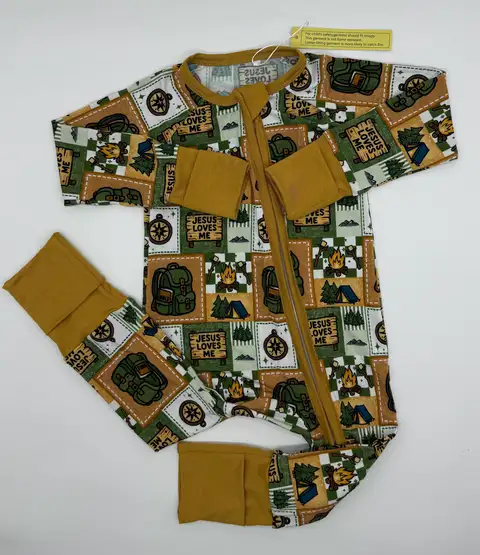
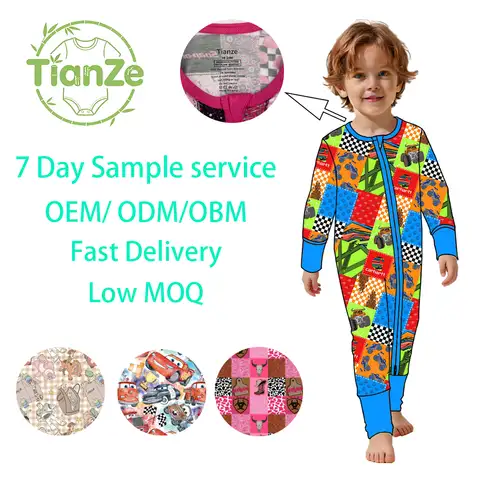
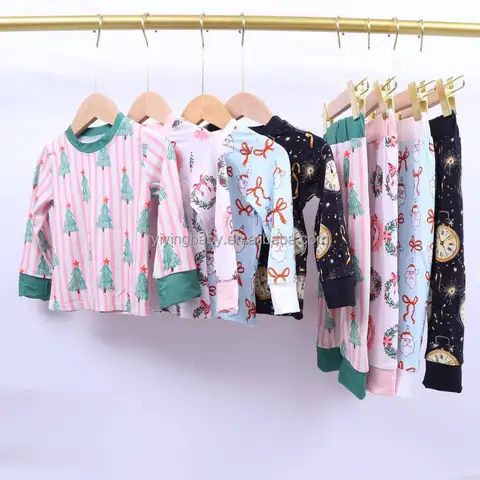
Cpc Certified Bulk Baby Clothes Wholesale Private Label Manufacturer
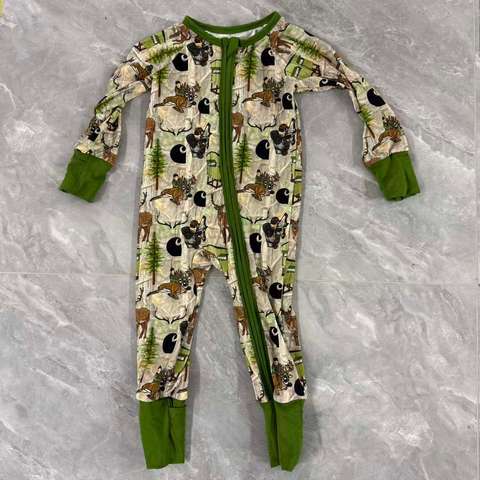
The Essentials of Bulk Baby Clothes Wholesale
In the world of wholesale distribution, baby clothes stand out as a significant sector due to their constant demand and seasonal variations. Businesses looking to dip their toes into this market need to understand the myriad of legal requirements, quality checks, and consumer safety regulations in place. This article delves into the technical aspects of bulk baby clothes wholesale, focusing on CPC/CPSIA legal requirements and QC audits.

Understanding CPC/CPSIA Regulations
The Consumer Product Safety Improvement Act (CPSIA) and Children's Product Certificate (CPC) are critical components in the realm of baby clothing wholesaling. These regulations ensure that all children's products, including baby apparel, meet safety standards to prevent harm to consumers.
Navigating CPSIA Compliance
Compliance with CPSIA begins with testing products in a CPSC-accepted laboratory. These tests confirm that the baby clothes meet all applicable children's product safety rules. For wholesalers, understanding these rules is vital to avoid the sale of non-compliant items, which can result in fines or recalls.
Key CPSIA requirements for baby clothes include testing for lead content, flammability, and phthalates, among other materials and chemicals. Each batch of wholesale baby clothes needs certification confirming these criteria are met, ensuring safety and compliance.
The Importance of CPC Certificates
A Children's Product Certificate (CPC) is a document that indicates a product complies with CPSIA rules. It is mandatory for all children's products shipped in the United States, serving as a guarantee that the manufacturer or importer has adhered to federal safety standards.
For wholesale distributors, CPC certificates act as a safeguard against legal repercussions. However, they must ensure the document is backed by valid test reports from accredited bodies, reviewed routinely to incorporate any regulatory updates or changes.
Quality Control Audits
Beyond legal compliance, quality assurance is paramount in maintaining brand integrity and consumer trust. Quality Control (QC) audits serve as a systematic examination of product and process consistency, providing a structured approach to maintaining high standards across batches of baby clothes.
Conducting Effective QC Audits
QC audits in the baby clothes wholesale sector involve multiple steps. Initially, inspectors check the fabric quality, examining its durability, color consistency, and stitching. They ensure labels are correctly positioned and adhere to CPSIA labeling standards.
The second stage in QC audits focuses on performance testing, including wash and wear tests that determine fabric resilience after multiple cycles. This is essential for baby clothes, which typically encounter frequent washing. Finally, audits include checking the safety features of garments, such as appropriate closures and trims that pose no hazard.
Integrating Legal Requirements and QC Standards
Successfully aligning CPC/CPSIA regulations with QC standards requires a comprehensive understanding of both fields. For wholesalers, integrating these processes involves detailed documentation of compliance certificates, batch testing records, and audit reports.
Such integration not only protects businesses from legal issues but also enhances product reliability, fostering trust with retail partners and consumers. Harmonizing regulatory adherence with practical quality checks paves the way for a reputable wholesale business, distinguishing it as a leader in the baby clothing market.
For businesses in the bulk baby clothes wholesale sector, remaining vigilant about CPC/CPSIA compliance and maintaining rigorous QC audits is crucial. These processes safeguard against legal pitfalls and ensure high product standards, which are essential for building robust partnerships with retailers and satisfying the end consumer.
| Fabric Type | Organic Bamboo |
| Compliance | CPSIA Compliant |
| Customization | ODM |
| Lead Time | 22 Days |
By focusing on these critical areas, wholesalers can navigate the complexities of the market and capitalize on the expansive opportunities within, ensuring their offerings meet both legal requirements and quality expectations.