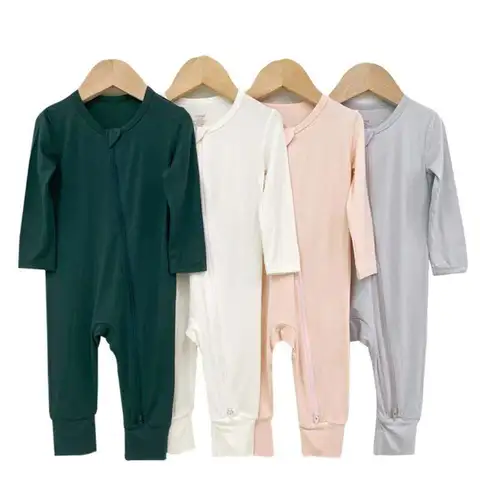
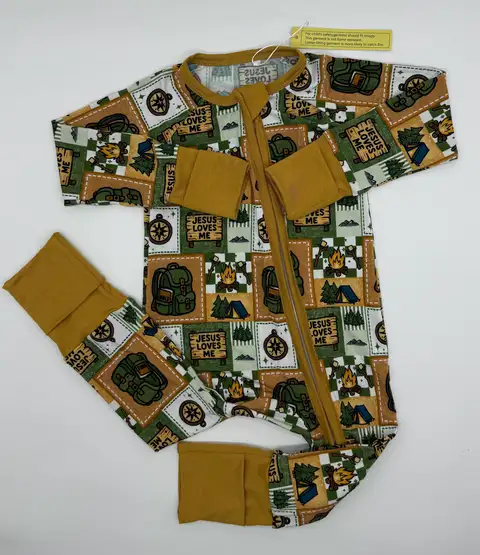
Cpc Certified Bulk Baby Boy Clothes Gots Organic Wholesale

The Essentials of CPC/CPSIA Compliance for Bulk Baby Boy Clothing Suppliers
When dealing with bulk baby boy clothing, businesses must navigate a complex landscape of regulatory requirements and quality control standards. Chief among these are the Consumer Product Safety Commission (CPSC) regulations, including the Children’s Product Certificate (CPC) and the Consumer Product Safety Improvement Act (CPSIA). In addition to compliance, ensuring quality control (QC) through audits is critical for maintaining brand trust and customer satisfaction.
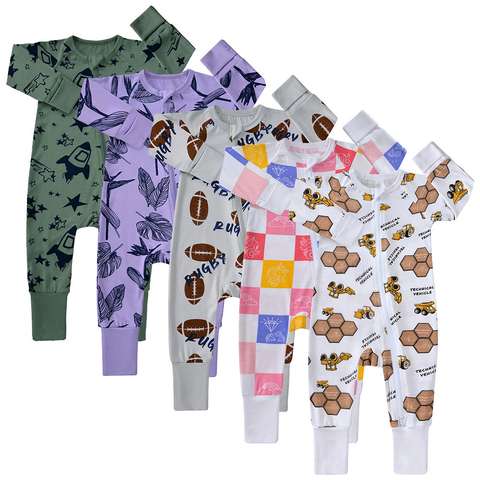
Understanding the CPC/CPSIA Framework
The CPC/CPSIA legal landscape is designed to ensure that children's products, including baby boy clothes, meet stringent safety standards. The CPC is a document mandated by the CPSC, certifying that a children's product complies with applicable safety standards. As an importer or manufacturer, you are accountable for testing your products and retaining this documentation.
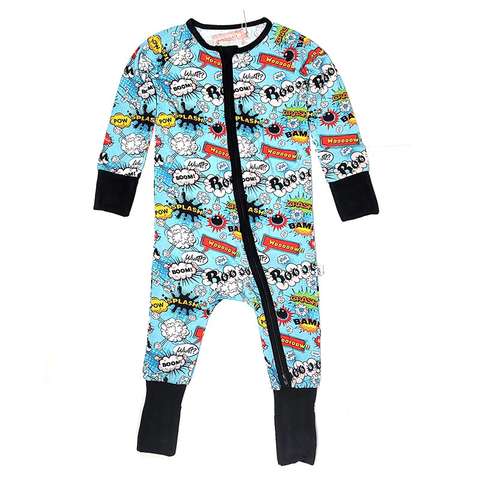
The CPSIA, enacted in 2008, introduced significant laws focusing on lead limits, phthalates, toy safety, and tracking labels, among other requirements. Manufacturers and importers are required to meet these standards and provide a CPC for each product, ensuring transparency and compliance in the supply chain.
Key CPSIA Requirements for Baby Clothing
Under the CPSIA, bulk baby boy clothing must adhere to several key requirements. The following highlights the critical areas of concern:
- Lead Content: Baby clothing must contain less than 100 ppm (parts per million) of lead. This requirement applies to the fabric, snaps, zippers, and any other components of the garment.
- Phthalates: Clothing containing plasticized components must be free from specific phthalates, often used to increase flexibility, to ensure they do not exceed 0.1% of the total weight.
- Tracking Labels: Each garment must have a tracking label that includes the manufacturer or private labeler name, location and date of production, and detailed information about the manufacturing process.
Conducting Effective QC Audits for Baby Boy Clothing
Quality control audits are an essential component of the supply chain for baby clothing. These audits not only ensure compliance with CPC/CPSIA standards but also verify the quality and safety of the products. A successful QC audit includes several systematic steps, from planning to execution.
Preparation and Planning for QC Audits
Preparation is key to a successful QC audit. Start by defining the scope of the audit, which should include examining the entire production process and related documentation. Develop a checklist that covers all regulatory and quality standards, including material safety, stitching quality, colorfastness, and size accuracy.
Engage with certified quality control professionals who possess a deep understanding of regulatory requirements and have experience with baby products. Their expertise will be invaluable in identifying potential compliance issues.
Implementing the QC Audit: Key Areas of Focus
During the QC audit, several key areas need thorough inspection:
| Fabric Type | Organic Bamboo |
| Compliance | GOTS Organic |
| Customization | Tailor-made |
| Lead Time | 28 Days |
- Material Safety: Inspect the raw materials used in production for compliance with lead content and phthalate restrictions. Ensure that fabric and dyes are tested and certified non-toxic.
- Construction Quality: Evaluate the workmanship of each garment. Check the durability of seams, strength of buttons and zippers, and garment construction for safety hazards.
- Labeling Compliance: Verify that every piece of clothing has labeling in accordance with CPSIA standards, including care instructions and tracking labels.
Leveraging Technology in QC and Compliance
The use of technology can greatly enhance the effectiveness of both compliance checks and quality audits. Automated testing equipment can ensure precise measurement of material safety metrics, while software solutions can track compliance documentation and audit results.
By integrating technology into your QC processes, you can gain real-time insights into compliance status and quickly address any areas of concern. This not only helps in maintaining legal compliance but also boosts the confidence of retail partners in your products.
: Maintaining Competitive Advantage Through Compliance and Quality
For businesses dealing with bulk baby boy clothing, adhering to CPC/CPSIA regulations is non-negotiable. Ensuring compliance through rigorous quality control audits not only protects your brand from potential legal repercussions but also enhances your reputation in the marketplace.
By understanding the regulatory framework, preparing meticulously for audits, focusing on critical inspection areas, and leveraging technology, suppliers can effectively navigate the complex landscape of children’s product safety regulations. This strategic approach to compliance and quality control ensures not only meeting legal obligations but also developing consumer trust and securing long-term business success.