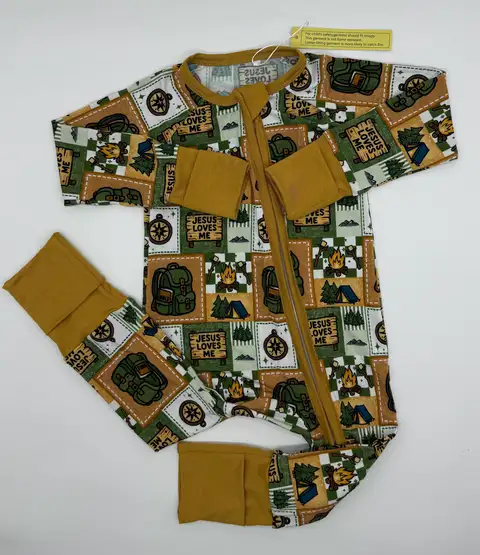
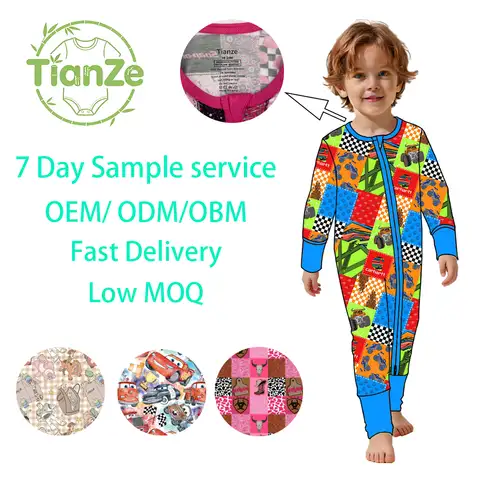
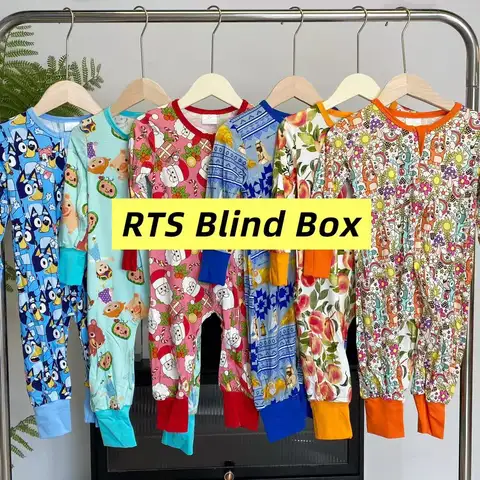
Cpc Certified Bamboo Kids Pajamas Wholesale Odm Factory
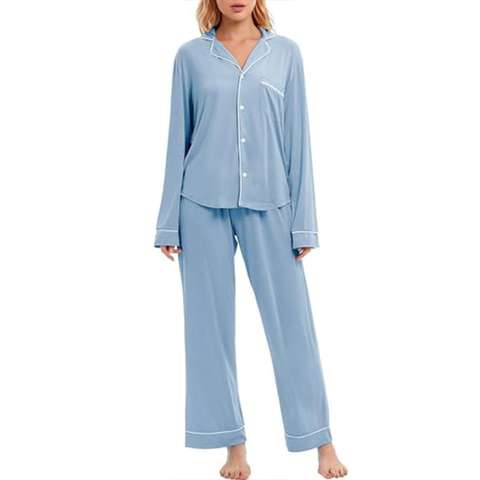
Bamboo Kids Pajamas Wholesale: Navigating CPC/CPSIA Compliance and Quality Control Audits
In a growing market focused on eco-friendly and sustainable materials, bamboo kids' pajamas have become a popular choice for wholesalers. However, in the United States, businesses must navigate complex legal requirements under the Consumer Product Safety Improvement Act (CPSIA) and adhere to strict quality control (QC) standards to ensure their products are safe for children. This article delves into the essential aspects of CPC/CPSIA compliance and QC audits for those venturing into the bamboo kids pajamas wholesale market.
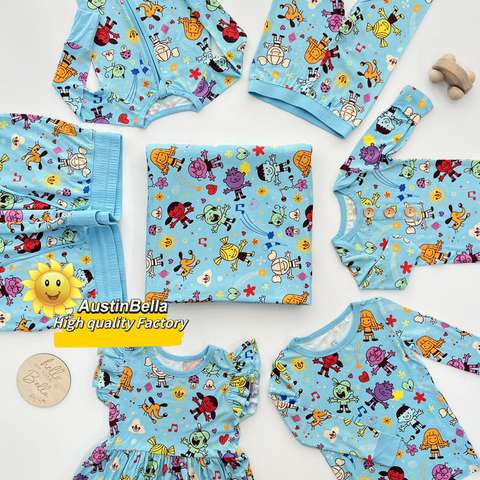
CPSIA Compliance: Essential Legal Requirements
The Consumer Product Safety Improvement Act, enacted in 2008, is a crucial piece of legislation for any company dealing with children's products. The act mandates stringent safety standards that manufacturers and distributors must comply with. For bamboo kids pajamas wholesalers, understanding CPSIA requirements is imperative to avoid legal pitfalls and ensure product safety.
Lead and Phthalate Content Testing
Under the CPSIA, all children's products, including pajamas, must meet specific lead and phthalate limits to prevent harmful chemical exposure. Bamboo, being a natural material, typically has low levels of these substances. However, manufacturers must ensure that any dyes or embellishments added during production comply with the limits. Certified third-party testing labs offer testing services to verify compliance, providing documentation essential for legal adherence.
Flammability Standards
Flammability is a critical concern in children's sleepwear, and the CPSIA stipulates flammability standards that must be met. Bamboo kids pajamas must pass rigorous flammability tests to ensure they do not pose fire hazards. Wholesalers should only source products from manufacturers who adhere to the flammability requirements outlined by the Commission's regulations.
Quality Assurance Through Comprehensive QC Audits
Quality control is the backbone of a successful wholesale operation, ensuring consistent product quality and customer satisfaction. Implementing comprehensive QC audits in sourcing bamboo kids pajamas involves systematic processes that aim to uphold product integrity and meet international standards.
Material Quality Check
Conducting material quality checks is integral to QC audits, particularly for bamboo textiles. Bamboo fabric should be inspected for durability, softness, and purity. Ensuring the material has been sourced sustainably aligns with the eco-friendly expectations of your target market. Consistent quality in the raw material translates to higher customer satisfaction and reduced return rates.
Manufacturing Process Audits
A thorough assessment of the manufacturing process provides insights into the factory's compliance with necessary standards and practices. Auditing factory conditions, machinery, and worker protocols helps maintain high manufacturing quality. Wholesalers should collaborate with manufacturers who have robust QC mechanisms and certified audits in place. This cooperation minimizes risks and enhances the reliability of bamboo kids pajamas.
Documentation and Certification Challenges
Meeting CPC and CPSIA compliance involves meticulous documentation and certifications that validate product safety and quality. Navigating these challenges is crucial for maintaining trust and transparency with retailers and consumers.
General Certificate of Conformity (GCC)
For products subject to CPSIA regulation, a General Certificate of Conformity (GCC) must be provided. This certificate affirms that the bamboo kids pajamas meet all applicable safety standards. The GCC should accompany shipments and be readily available for authorities to review. Accurate and timely generation of GCCs prevents administrative setbacks that can disrupt distribution.
Traceability and Record-Keeping
Effective traceability systems are vital for maintaining an accountable supply chain. Detailed records of production batches, test results, and audit reports support transparency and compliance verification. These records should be maintained for a minimum of five years as per legal requirements. Wholesalers benefit from investing in digital traceability tools that enable efficient tracking and records management.
Advantages of Compliance and Quality Assurance
While navigating CPC/CPSIA compliance and maintaining robust quality controls might seem daunting, wholesalers of bamboo kids pajamas stand to gain significant advantages by diligently adhering to these standards.
| Fabric Type | Organic Bamboo |
| Compliance | ASTM F963 |
| Customization | Private Label |
| Lead Time | 26 Days |
Brand Reputation and Trust
Compliance and quality assurance establish a wholesaler’s reputation as a reliable supplier of safe and high-quality bamboo kids pajamas. This reliability fosters trust with retailers and consumers, promoting brand loyalty and expanding market reach.
Market Competitiveness
By adhering to safety and quality benchmarks, wholesalers distinguish their products in a competitive market. The growing consumer demand for sustainable and safe children's products offers ample opportunities for compliant businesses to thrive and innovate.
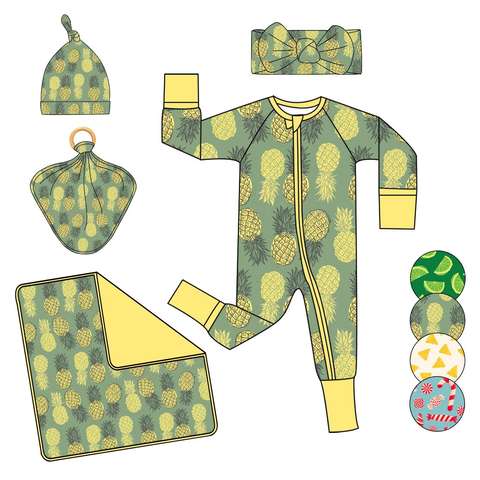
Entering the bamboo kids pajamas wholesale market presents a unique opportunity to satisfy the eco-conscious segment of children's apparel. However, success in this domain mandates a thorough understanding of CPC/CPSIA legal requirements and a commitment to rigorous quality control audits. By ensuring compliance and maintaining high quality standards, wholesalers can secure their position in the market, fostering growth and sustainability in their operations.
This article provides a detailed overview of the challenges and processes involved in the bamboo kids pajamas wholesale market, emphasizing the importance of CPC/CPSIA compliance and quality control audits.