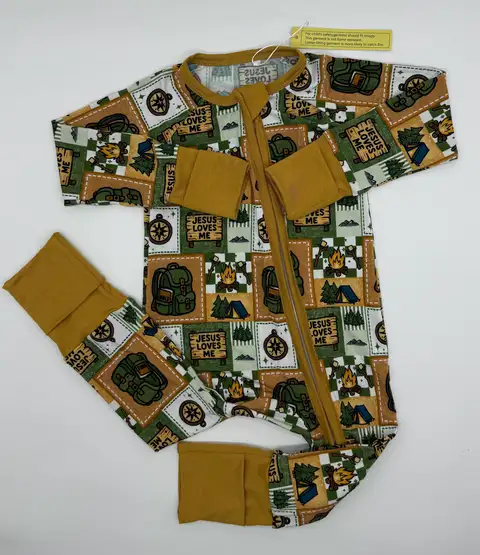
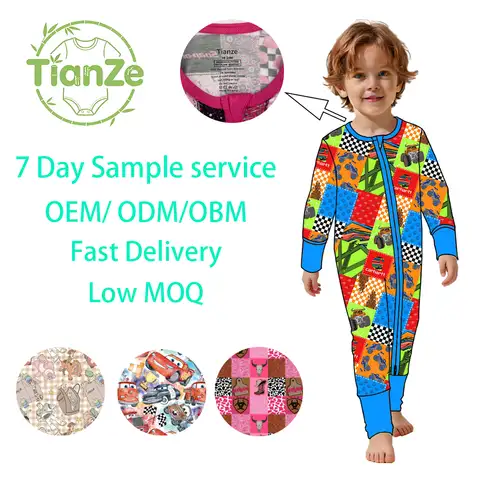
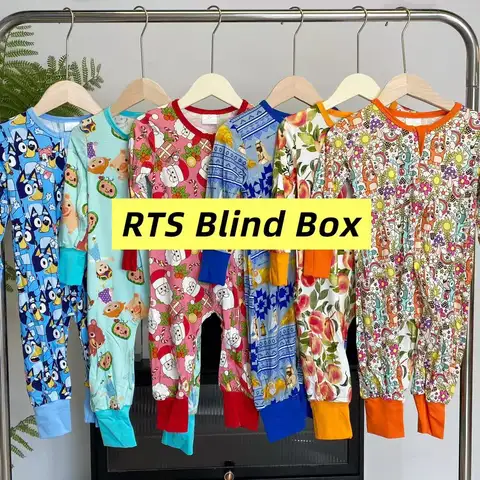
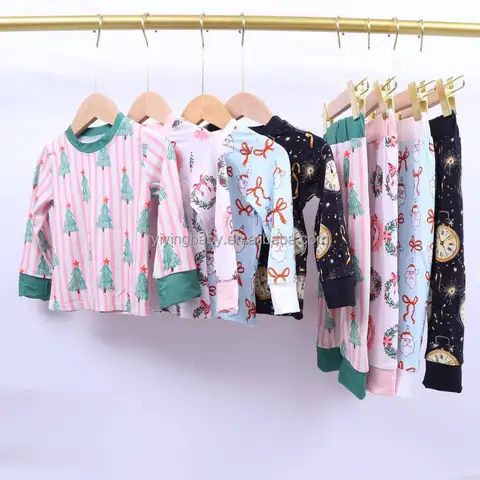
Cpc Certified Bamboo Baby Clothes Wholesale Oekotex 100 Oem
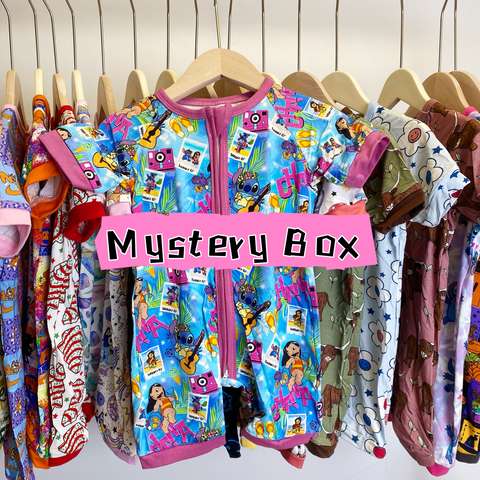
The Growing Demand for Bamboo Baby Clothes in Wholesale Markets
The increasing awareness of sustainable and eco-friendly products has significantly shifted consumer preferences towards more ethical choices. Among these, bamboo baby clothes stand out due to their unique properties and benefits. As the demand for these products continues to rise, wholesale distributors must ensure compliance with CPC/CPSIA legal requirements and emphasize rigorous quality control audits.
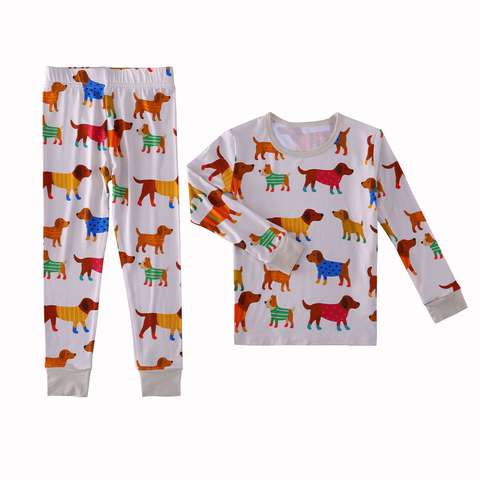
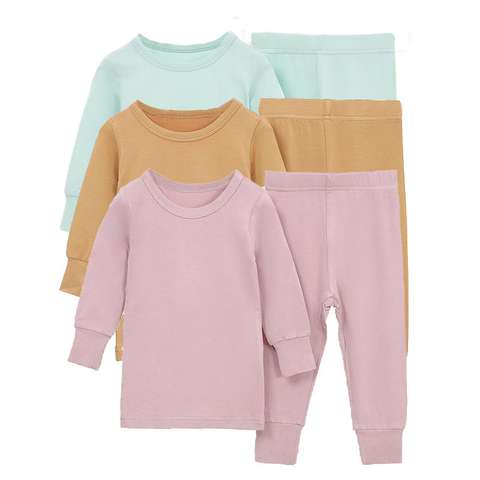
Understanding Bamboo Baby Clothes
Bamboo fabric is derived from the pulp of bamboo grass, offering numerous advantages over traditional materials. It is naturally breathable, thermo-regulating, and antimicrobial, making it an ideal choice for sensitive baby skin. The soft texture and hypoallergenic qualities further enhance its appeal to health-conscious parents. Wholesale distributors are increasingly stocking bamboo baby clothes to meet these demands, but with this growth comes the responsibility of compliance and quality assurance.
CPC/CPSIA Legal Requirements and Safety Standards
Wholesale distributors of bamboo baby clothes must adhere to the Consumer Product Safety Improvement Act (CPSIA) requirements, which are designed to ensure the safety of children's products. A key component of CPSIA is the Children’s Product Certificate (CPC), which certifies that the product complies with applicable health and safety regulations. Understanding these regulations is critical for wholesalers looking to enter the bamboo baby clothes market.
Key CPSIA requirements include:
- Lead Limits: Bamboo baby clothes must meet the strict lead content limits set by CPSIA. The maximum allowable limit is 100 ppm (parts per million). This applies to the fabric itself as well as any snaps, zippers, or embellishments.
- Phthalate Standards: CPSIA restricts the presence of phthalates in children's clothing due to their potential health risks. Wholesalers must ensure that bamboo garments are tested and certified as phthalate-free.
- Flammability Compliance: Bamboo baby clothes must meet the flammability standards specified under 16 CFR Part 1610. Although bamboo fabric is known for its high moisture content which naturally reduces flammability, compliance testing is mandatory.
- Tracking Labels: All bamboo baby clothes must include permanent, accessible tracking labels. These labels must provide essential information to facilitate tracing in case of a recall.
Ensuring compliance with these regulations not only protects customers but also shields wholesalers from potential legal repercussions.
Quality Control Audits: A Necessary Component for Wholesalers
Quality control audits play a crucial role in wholesale distribution, ensuring that bamboo baby clothes meet high standards of quality, safety, and compliance. Implementing a rigorous QC process can prevent costly recalls, promote customer satisfaction, and uphold brand reputation.
Supplier Certification and Verification: Choose suppliers who have a proven track record in producing high-quality bamboo fabric. Verification of their certifications and compliance with manufacturing standards is essential.
Inspection Procedures: Establish thorough inspection protocols for raw materials and finished products. Inspections should include fabric checks, seam inspections, and verification of labeling compliance according to CPC/CPSIA.
Testing Protocols: Adopt standardized testing procedures to check for chemical residues, durability, and flammability. These tests should be carried out by accredited third-party laboratories to ensure unbiased results.
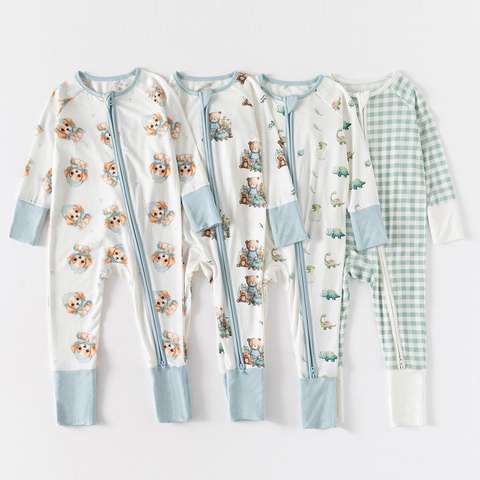
Audit Documentation: Maintain comprehensive documentation of all audits and testing results. This documentation is vital for ongoing compliance and can serve as evidence of due diligence in regulatory inspections or legal inquiries.
By integrating these quality control audits into their operations, wholesalers can confidently provide bamboo baby clothes that meet both consumer expectations and regulatory standards.
Market Opportunities and Challenges
The growing trend towards sustainable fashion presents wholesalers with lucrative opportunities to expand their product offerings with bamboo baby clothes. This market segment is likely to proliferate as more consumers become aware of the environmental and health benefits associated with bamboo fabric.
| Fabric Type | Pima Cotton |
| Compliance | GOTS Organic |
| Customization | Private Label |
| Lead Time | 24 Days |
Opportunities:
- Eco-conscious Consumer Base: Engage with a consumer base that's increasingly prioritizing eco-friendly choices. Highlighting the sustainable qualities of bamboo can attract more customers.
- Brand Differentiation: Establish brand identity by focusing on ethical sourcing and compliance. Bamboo baby clothes offer a distinct product category that can set a brand apart from competitors.
- Global Expansion Potential: The versatility of bamboo fabric makes it appealing across different climates and regions, opening doors for international wholesale distribution.
Challenges:
- Cost Management: Bamboo fabric, while sustainable, can be more expensive to produce than traditional textiles. Balancing cost with quality and compliance is a key challenge.
- Complex Regulations: Navigating the intricate web of CPC/CPSIA regulations requires detailed knowledge and consistent updates to ensure ongoing compliance.
- Quality Assurance: Maintaining high quality requires rigorous testing and oversight, which can be resource-intensive for wholesalers.
, the bamboo baby clothes wholesale market is poised for significant growth. Wholesalers must navigate the complexities of CPC/CPSIA regulations and implement robust quality control audits to capitalize on this opportunity responsibly. By focusing on sustainability, compliance, and meticulous quality assurance, businesses can not only thrive but lead the charge in a rapidly evolving market.