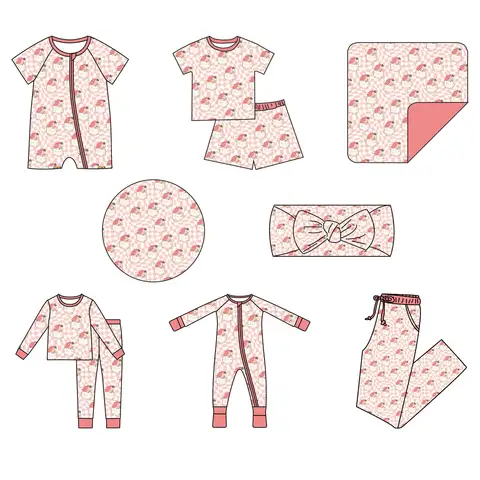
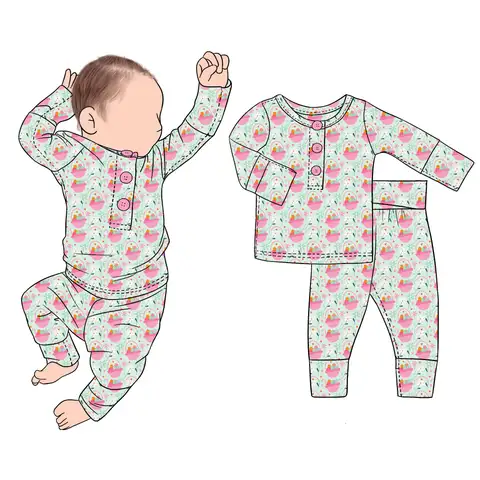
Cpc Certified Baby Onesie Bulk Bespoke Vendor

Ensuring Compliance and Quality in Baby Onesie Bulk Production
In the world of children's apparel, the production of baby onesies in bulk involves a complex web of compliance and quality control measures. With stringent regulations laid out by the Consumer Product Safety Improvement Act (CPSIA) and the Code of Federal Regulations (CFR), manufacturers and distributors must navigate these requirements carefully to ensure safety, compliance, and quality.
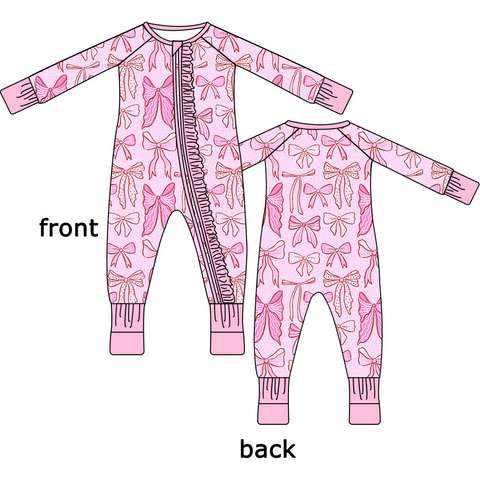
Understanding CPSIA and CPC Requirements
The Consumer Product Safety Improvement Act (CPSIA), enacted in 2008, establishes crucial requirements for children's products, including baby onesies. At the heart of CPSIA is the need to protect children from hazardous substances and unsafe product designs. The CPSIA mandates several key requirements to which manufacturers must adhere:
- Third-Party Testing: Children’s products must be tested by a CPSC-accredited laboratory. This ensures compliance with safety standards related to lead content, phthalates, flammability, and other chemical thresholds.
- Children’s Product Certificate (CPC): A CPC must accompany each product shipment, verifying compliance with CPSC safety regulations. It should include information on the product's manufacturer, testing laboratory, and applicable standards.
- Labeling and Tracking: Appropriate labeling is required to ensure product traceability, including tracking labels that enable easy identification of the manufacturer and batch production.
- Age Appropriateness and Warnings: Clear labeling regarding age suitability and safety warnings play a critical role in preventing misuse and potential hazards.
Quality Control Audits: A Pillar of Assurance
Quality control audits are a vital aspect of ensuring product consistency and adherence to safety standards in bulk production. Typically, audits cover three major stages:
- Incoming Material Inspection: Examination of incoming raw materials such as fabric ensures they conform to specifications related to durability, safety, and chemical content.
- In-Process Quality Checks: During the production cycle, random sampling checks are conducted to identify defects and ensure continuous compliance with design specifications and safety norms.
- Final Product Evaluation: The end-of-line inspection confirms that finished goods meet all established standards, perform reliably, and comply with all regulatory requirements.
Quality audits not only assure compliance but also minimize the risk of expensive and reputation-damaging recalls by identifying issues in the early stages of production.
The Role of Technology in Ensuring Compliance
Technology plays an increasingly significant role in enhancing compliance and quality in baby onesie bulk production. Advanced digital solutions offer streamlined tracking, reporting, and management capabilities:
- Automated Compliance Management Systems: These systems allow manufacturers to handle regulatory documentation efficiently, from maintaining CPC files to managing audit reports.
- Digital Traceability Solutions: RFID technology and QR codes are utilized for precise tracking, enabling seamless integration of supply chain operations and enhancing product traceability.
- Online QC Platforms: Real-time monitoring of production processes and quality control checkpoints via digital platforms allows swift corrective action and continuous improvement.
Integrating these technologies not only fortifies compliance but also optimizes operational efficiency and cost-effectiveness.
Strategic Approaches to Compliance and Quality Management
For manufacturers aiming to enter or excel in the baby onesie market, strategic approaches to compliance and quality can create a competitive edge:
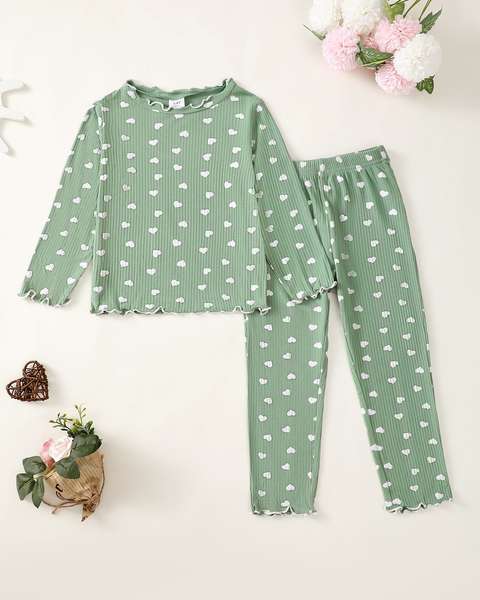
| Fabric Type | Pima Cotton |
| Compliance | CPC Certified |
| Customization | ODM |
| Lead Time | 40 Days |
- Partnership with Certified Laboratories: Collaborating with accredited third-party labs ensures unbiased testing and validation, bolstering trust with regulatory bodies and consumers.
- Continuous Employee Training: Regular training sessions on compliance requirements and QC procedures for employees ensure awareness and adherence across all levels of production.
- Comprehensive Risk Management: Identifying potential risks and establishing preventive measures mitigate the chances of compliance failures and production defects.
- Sustainability Focus: Eco-friendly production practices not only comply with regulations but also appeal to environmentally conscious consumers, enhancing brand reputation.
By adopting these strategies, businesses not only align with legal requirements but also promote a culture of excellence in product quality.
The bulk production of baby onesies presents unique challenges and opportunities in the realm of compliance and quality control. Navigating CPSIA requirements, implementing thorough QC audits, and leveraging technology are crucial for ensuring product safety, reliability, and consumer trust. While the path to compliance may seem intricate, the benefit of reducing liability risks and building a reputable brand in the children's apparel industry make this journey worthwhile.
For stakeholders involved in the production and distribution of baby onesies, understanding these mechanisms facilitates informed decision-making, enhances operational efficiency, and supports sustainable business growth. By prioritizing compliance and quality, manufacturers can ensure every baby onesie not only meets regulatory benchmarks but also serves its ultimate purpose—providing comfort and safety to the youngest of consumers.