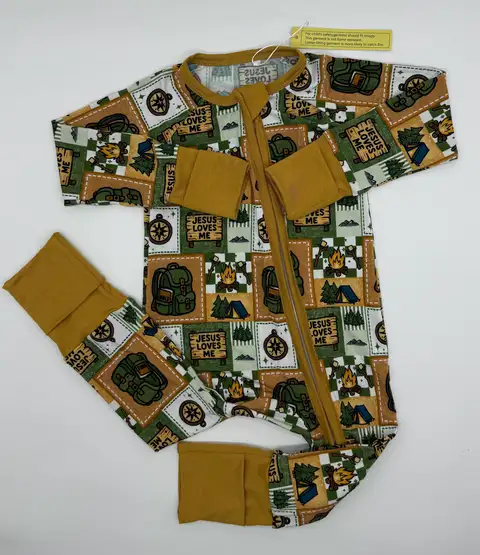
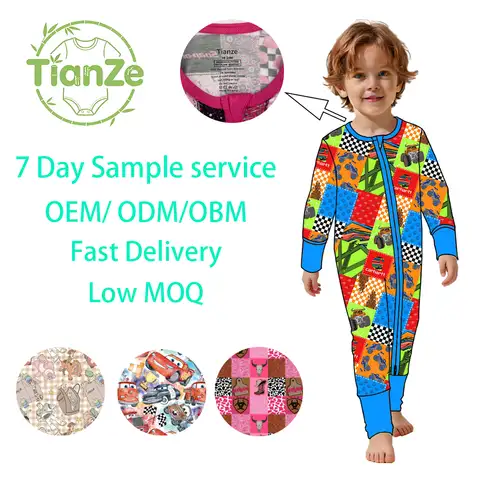
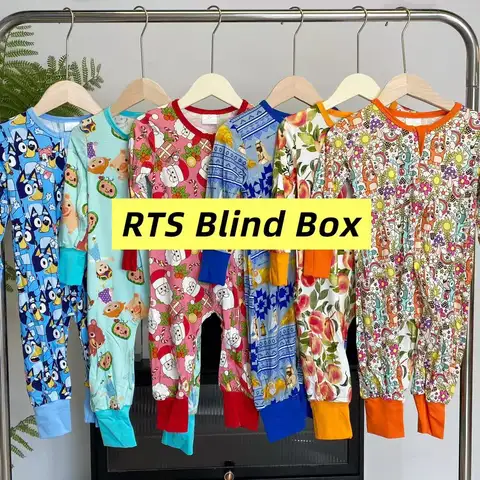
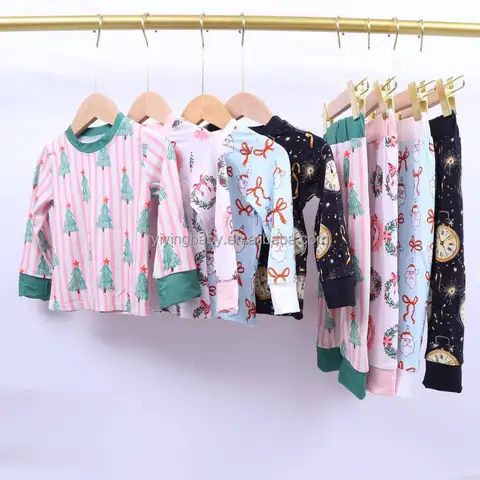
Bespoke Custom Bamboo Pajamas Wholesale Oekotex 100 Manufacturer

Understanding Custom Bamboo Pajamas Wholesale: Navigating CPC/CPSIA Legal Requirements and Quality Control
In the world of apparel, bamboo pajamas have emerged as a popular eco-friendly choice for wholesalers. The soft texture, sustainable origin, and natural antimicrobial properties make bamboo an ideal material for sleepwear. However, when dealing with custom bamboo pajamas at a wholesale level, businesses must ensure compliance with U.S. Consumer Product Safety Commission (CPSC) standards and meet quality control criteria to protect their brand and customers. This article delves into these requirements, focusing on how they impact the industry.
Compliance with CPC/CPSIA Legal Requirements
Effective navigation through the CPSC and the Consumer Product Safety Improvement Act (CPSIA) regulations is pivotal for wholesale distributors of custom bamboo pajamas. These regulations are designed to ensure that clothing items meet safety standards, minimizing risks to consumers.
Overview of CPSC/CPSIA Standards
The CPSIA, enacted in 2008, brought about comprehensive changes to improve product safety for children's goods, including clothing. These regulations specifically address issues like lead content, phthalates, flammability, and the presence of harmful substances. Even for adults, apparel safety concerns, while less stringent, still require adherence to flammability standards under the Federal Flammability Standards.
Key Compliance Factors for Bamboo Pajamas
Wholesale distributors of bamboo pajamas must consider several compliance factors:
- Lead and Phthalate Testing: Bamboo pajamas intended for children's use must be tested for lead content, usually not exceeding 100 ppm, and phthalates limits particularly in snaps and embellishments.
- Flammability Testing: Sleepwear must pass flammability tests defined under 16 CFR 1615/1616 for children and ASTM D1230 for adults.
- Labeling Requirements: Items must contain clear labels indicating manufacturer information, washing instructions, and compliance certification. Bamboo fiber-specific labeling issues might also arise under FTC guidelines.
Implementing Effective Quality Control Audits
Quality control (QC) audits are integral to maintaining pajamas' integrity and safety, aligning with both legal standards and business objectives. Companies must devise robust systems that ensure product excellence from raw bamboo fibers to the finished garment.
Developing a QC Audit Framework
To ensure comprehensive quality control, wholesalers should develop a framework with the following components:
- Initial Assessments: Evaluate the sourcing of bamboo material, ensuring sustainable practices and quality standards.
- Production Monitoring: Implement checkpoints throughout the manufacturing process to monitor compliance with design specifications and safety regulations.
- Final Product Examination: Conduct thorough inspections post-manufacturing, checking for defects, accurate sizing, labeling, and quality.
- Continuous Improvement: Establish feedback loops and collaborative audits with manufacturers to refine processes and improve output quality continually.
Challenges in Quality Control for Bamboo Pajamas
Despite bamboo's popularity, manufacturers face inherent challenges in assuring consistent quality:
- Fiber Variability: Bamboo fiber can exhibit inconsistencies due to varying environmental conditions and processing techniques, necessitating stringent quality assessments.
- Compliance Verification: Ensuring each batch meets existing CPSIA standards, especially amidst international manufacturing partnerships, requires diligent monitoring.
- Eco-friendly Innovations: Balancing eco-friendliness with durability presents a challenge, often requiring innovative mechanical engineering in textile production processes.
Ensuring CPC Compliance through Effective Strategies
Legal adherence is non-negotiable for bamboo pajama wholesalers given CPC directives. Hence, adopting effective strategies is a must:
Strategic Partnerships and Vendor Selection
Selecting reliable vendors who are transparent about their production processes and committed to ethical practices is crucial. Partner with suppliers who can demonstrate good compliance track records and present third-party certifications validating their product safety measures.
Regular Training and Compliance Updates
In an evolving regulatory landscape, continuous education is vital. Regular training sessions for staff on compliance requirements, updates on CPSIA and CPSC standards, as well as local laws, empower them to uphold these mandates effectively. This approach also reduces the risk of non-compliance inadvertently.
The Impact of CPC and CPSIA Requirements on the Wholesale Market
Compliance with CPC and CPSIA regulations profoundly influences the wholesale market for custom bamboo pajamas. Ensuring adherence not only safeguards brands from legal challenges but also enhances competitiveness by building consumer trust.
Cost Implications and Investment Returns
While adherence might require initial investments in testing, audits, and regulatory certifications, the returns manifest in quality assurance and market credibility. Customers are more inclined to purchase from trustworthy brands, appreciating the diligence applied in maintaining safety standards.
Brand Reputation and Consumer Confidence
Compliance translates into enhanced brand reputation and increased consumer confidence. In an era where consumers are highly informed and value safety alongside sustainability, meeting CPC and CPSIA requirements can significantly elevate brand esteem and loyalty.
, navigating the wholesale market of custom bamboo pajamas necessitates a firm understanding and implementation of CPC/CPSIA legal requirements and comprehensive quality control audits. As the apparel industry leans towards sustainable practices, maintaining compliance and high product standards will ensure a thriving and impactful business.
| Fabric Type | Pima Cotton |
| Compliance | ASTM F963 |
| Customization | Bespoke |
| Lead Time | 27 Days |