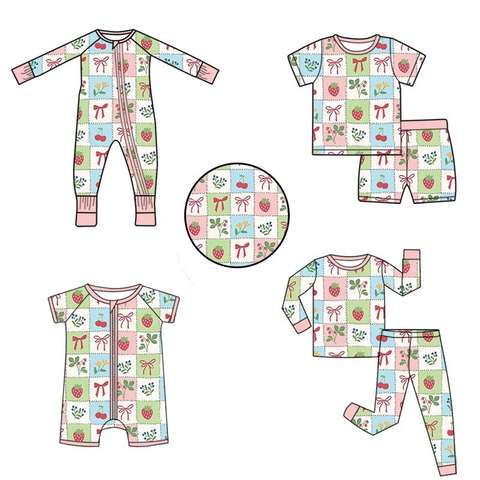
Bespoke Childrens Clothing Manufacturers Cpsia Compliant Supplier
Understanding Compliance and Quality Control in Children's Clothing Manufacturing
Manufacturing children's clothing involves a high level of responsibility. From ensuring compliance with legal standards to maintaining rigorous quality control audits, manufacturers must navigate a complex landscape. This article delves into the intricacies of compliance with the Consumer Product Safety Improvement Act (CPSIA) and the importance of quality control (QC) audits in the production process.

The Importance of CPSIA Compliance
The Consumer Product Safety Improvement Act (CPSIA) provides stringent requirements for manufacturing children's clothing, aiming to ensure safety and prevent hazards. This legislation mandates numerous safety standards that must be met, including chemical content limitations and labeling requirements. Non-compliance can result in severe repercussions, including fines and product recalls.
Key CPSIA Requirements:
- Lead and Phthalates Content: CPSIA sets strict limits on lead and phthalates content in children's clothing to prevent exposure to toxic substances. The lead content must not exceed 100 parts per million (ppm), and specific phthalates are banned outright.
- Mandatory Testing: Children's clothing must undergo testing at a CPSC-accepted laboratory to ensure compliance with safety standards. This includes tests for flammability, toxic elements, and physical hazards.
- Tracing and Labeling: Products must have permanent tracking labels to facilitate identification and recall. These labels should include information such as the manufacturer's name, location, and date of production.
Quality Control Audits in Manufacturing
While compliance with CPSIA is vital, ensuring the quality of children's clothing is equally important. QC audits are essential in maintaining high standards and customer satisfaction. These audits involve systematic inspections to evaluate various aspects of the production process.
The QC Audit Process:
- Visual Inspection: This involves checking fabric quality, stitching accuracy, and garment construction. Any defects or inconsistencies must be identified and rectified immediately.
- Measurement Verification: Ensuring that garment measurements align with specified standards is crucial. Discrepancies can lead to customer dissatisfaction and returns.
- Functional Testing: Zippers, buttons, and fasteners must be tested to ensure they function correctly and safely. Functional defects can pose safety risks to children.
Balancing Compliance and Creativity
Manufacturers often face the challenge of balancing compliance requirements with creative design and innovation. While legal safety standards must be adhered to, there is still room for creativity within these parameters.
Design Considerations:
- Safe Materials: Selecting materials with safety certifications can ensure compliance while providing a wide range of design options.
- Eco-Friendly Options: Sustainable materials compliant with CPSIA standards can appeal to environmentally conscious consumers.
- Innovative Features: Design innovation within safety guidelines can differentiate products in a competitive market.
Implementing Robust QC Systems
The implementation of effective QC systems is critical in ensuring consistency and compliance. A robust system not only improves product quality but also minimizes risks associated with legal non-compliance. Here are steps manufacturers can take:
- Standardized Procedures: Develop clear, standardized procedures for each stage of production. This ensures uniformity and quality from raw materials to finished products.
- Regular Training: Conduct regular training for staff to maintain high awareness of CPSIA requirements and QC standards.
- Technology Integration: Utilize technology to automate inspections and data collection, improving accuracy and efficiency.
The Future of Children's Clothing Manufacturing
As the industry evolves, manufacturers must remain adaptable to new regulations and advancements in technology. The future presents opportunities for growth through sustainable practices and innovative designs that comply with safety standards.
| Fabric Type | Organic Bamboo |
| Compliance | OEKO-TEX 100 |
| Customization | ODM |
| Lead Time | 17 Days |
Trends to Watch:
- Smart Clothing: Integration of technology into clothing, such as sensors and trackers, is gaining popularity. Compliance with electronic safety standards will be crucial.
- Global Expansion: As manufacturers expand internationally, understanding and complying with global standards will be vital.
- Eco-Conscious Production: Sustainable production practices are becoming a significant trend, encouraging manufacturers to adopt eco-friendly methods and materials.
The path forward in children's clothing manufacturing requires dedication to compliance and quality. With a keen understanding of CPSIA legal requirements and a robust QC audit approach, manufacturers can secure their position in the market while ensuring the safety and satisfaction of their youngest customers.