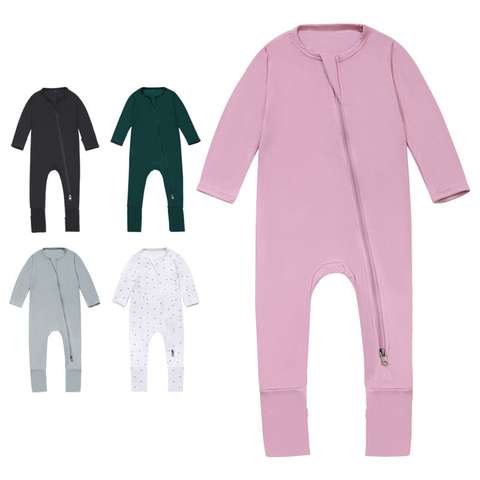
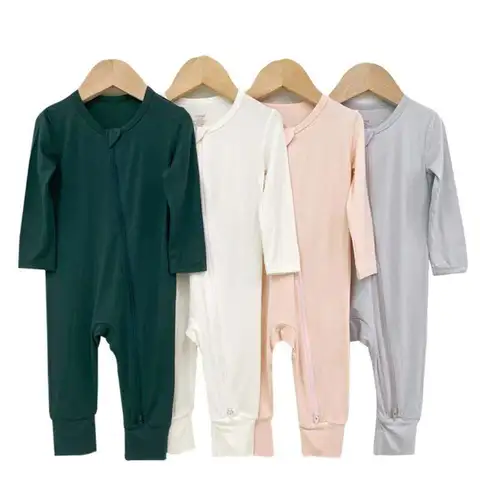
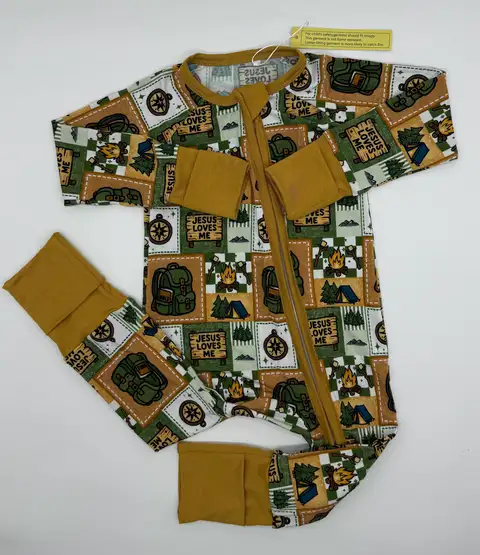
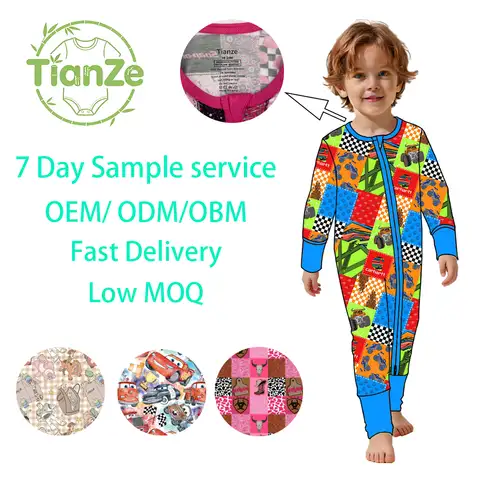
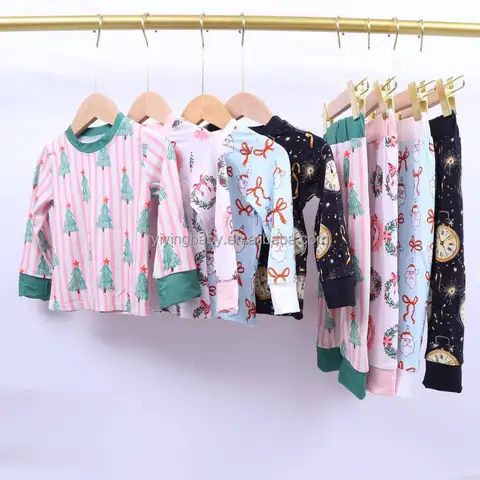
Bespoke Baby Clothes With Their Name On It Private Label Wholesale
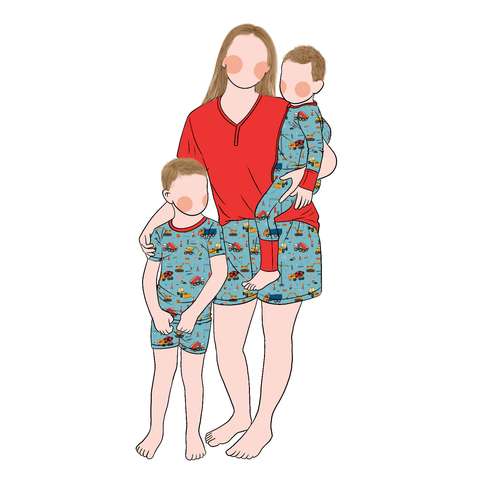
The Rise of Personalized Baby Clothing: Navigating CPC/CPSIA Compliance and Quality Assurance
In the landscape of children's apparel, personalized baby clothing has emerged as a burgeoning trend, driven by the desire for unique gifts and keepsakes. As demand grows for baby clothes adorned with individual names, manufacturers and retailers must navigate a complex regulatory environment. Compliance with the Consumer Product Safety Commission (CPSC) regulations and adherence to the Consumer Product Safety Improvement Act (CPSIA) are paramount. Coupled with rigorous quality control (QC) audits, these measures ensure that these charming garments meet safety standards while capturing the hearts of consumers.
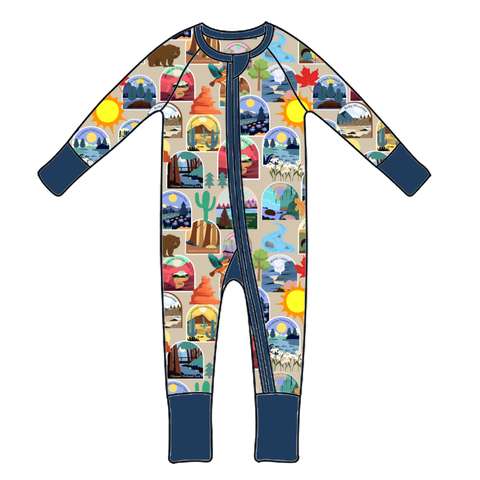
Understanding CPSC/CPSIA Requirements for Baby Apparel
When producing personalized baby clothing, companies must comply with a myriad of regulations enforced by the CPSC and the CPSIA. These laws were designed to protect consumers, particularly infants and young children, from unsafe products. Key areas of concern include the use of hazardous materials, proper labeling, and safety testing.
The CPSIA mandates stringent lead and phthalate limits in children's clothing. Garments must be tested to ensure lead content does not exceed 100 ppm in accessible parts, and phthalates, which are chemicals used to soften plastics, should not be present in concentrations higher than 0.1%. Personalized elements, such as embroidered names or patches, must also adhere to these standards, as they become an integral part of the garment.
Ensuring Proper Labeling and Certification
Labeling plays a crucial role in regulatory compliance. The CPSIA requires children’s products, including personalized baby clothing, to bear a permanent tracking label. This label must include information such as the manufacturer or private labeler name, location and date of production, and detailed product information including batch or production run numbers.
, manufacturers are obliged to provide Children’s Product Certificates (CPC) for each product, which certify that the garment complies with all applicable safety rules. These certificates must accompany the product through each stage of distribution, ensuring transparency and traceability.
Quality Control Audits: Safeguarding Consumer Trust
To maintain compliance and consumer trust, rigorous quality control audits are imperative. These audits encompass both in-house inspections and third-party testing to verify that no dangerous chemicals or construction defects exist in the final product. During a QC audit, the quality of embroidery, sewing, and material integrity are meticulously evaluated to ensure the highest safety and durability standards.
Regular audits help identify non-compliance issues before products reach the market. They not only assess safety and compliance factors but also evaluate the quality and satisfaction the product delivers to consumers. In the competitive market of personalized baby items, maintaining impeccable quality and safety standards can differentiate brands and foster loyalty.
The Future of Personalized Baby Clothing: Innovation with Compliance
As technology advances, the scope of personalization in baby clothing continues to expand. Innovations in digital printing and embroidery allow for more intricate designs and customization options. However, with these advancements come heightened regulatory scrutiny and the need for updated compliance measures.
The key to thriving in this sector of the children’s apparel market lies in balancing innovative personalization with unwavering adherence to safety regulations. By leveraging the latest printing technologies while maintaining strict compliance with CPSC/CPSIA requirements, manufacturers can offer cutting-edge, personalized baby clothes that are as safe as they are enchanting.
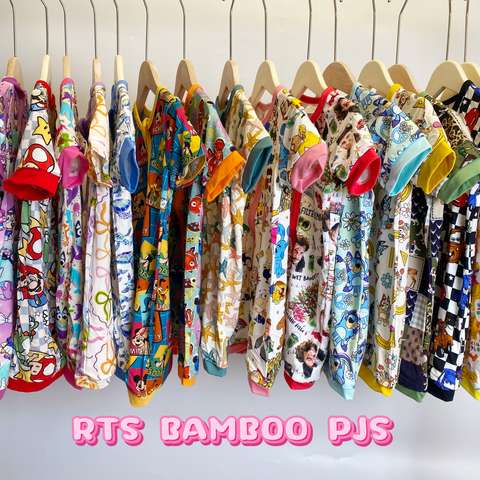
, the path to producing compliant, high-quality personalized baby clothing involves a robust understanding of CPSC and CPSIA regulations, careful labeling and documentation, and rigorous quality control processes. Companies that successfully navigate this landscape position themselves as leaders in a growing market, delivering safe and delightful products to consumers nationwide.
| Fabric Type | Pima Cotton |
| Compliance | ASTM F963 |
| Customization | Bespoke |
| Lead Time | 24 Days |