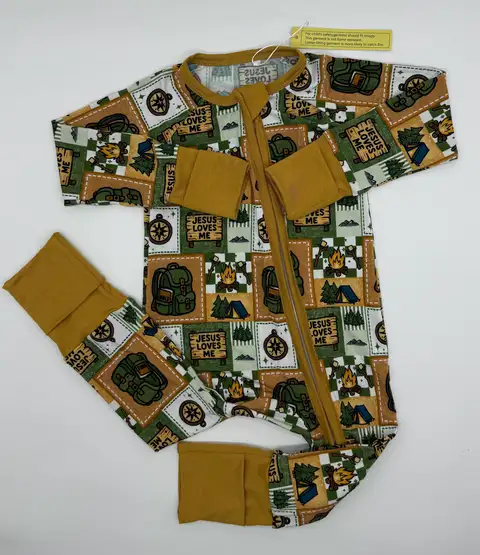
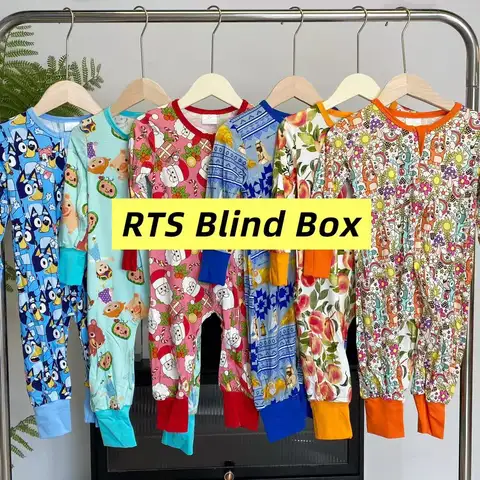
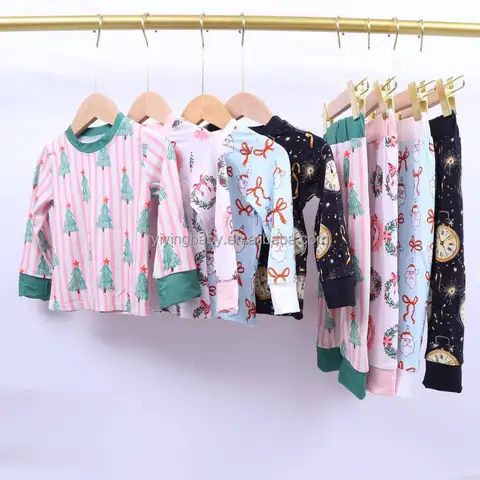
Astm F963 Trendy Kids Wholesale Clothing Cpc Certified Factory
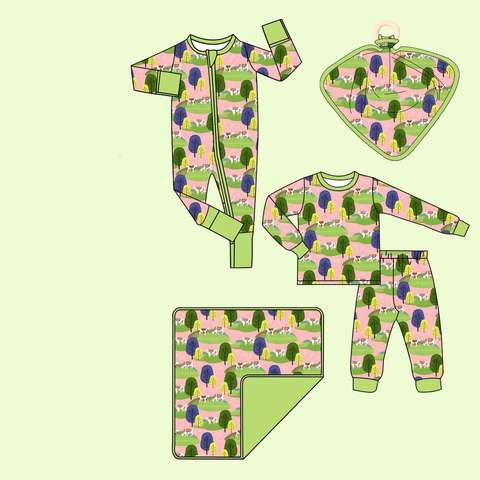
The Allure of Trendy Kids' Wholesale Clothing
In today's fast-paced fashion landscape, the demand for trendy kids' clothing is surging. Retailers, from small boutiques to large department stores, are constantly on the lookout for unique, stylish, and compliant children's apparel to satisfy their customer base. In this vibrant market, however, compliance with Consumer Product Safety Commission (CPSC) and Consumer Product Safety Improvement Act (CPSIA) regulations, along with maintaining high standards of quality control (QC), are paramount for both manufacturers and distributors.
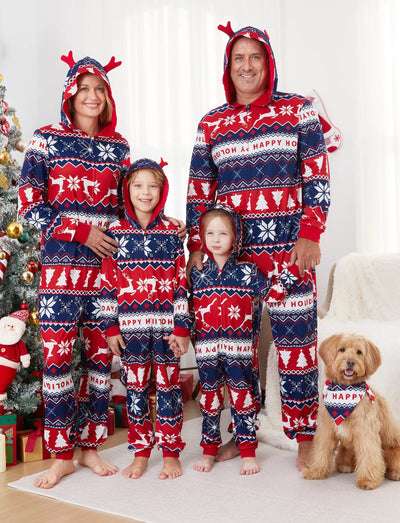
Understanding CPC and CPSIA Requirements
The CPSC is pivotal in overseeing the safety of consumer products, ensuring that goods sold on the U.S. market are free from potential hazards. The CPSIA, an extension of these regulatory efforts, provides enhanced guidelines specifically for children's products.
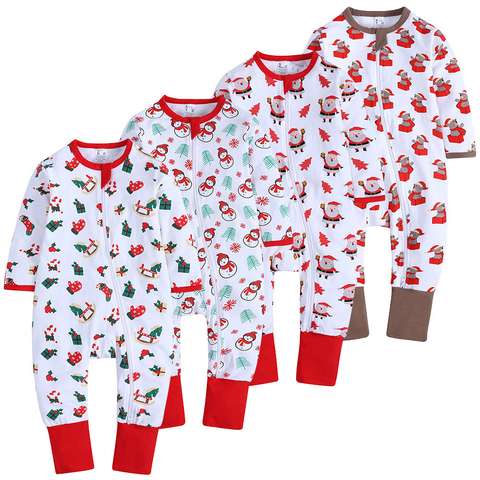
Manufacturers and distributors of kids' clothing need to be particularly vigilant about these guidelines, which demand rigorous testing and certification processes. Key regulations include stringent lead content limits, phthalate restrictions, and mandatory labeling requirements that help identify compliance standards, production dates, and concerns associated with the apparel.
Lead and Phthalate Limitations
In trendy kids' clothing, the use of bright colors and embellishments can inadvertently lead to the presence of harmful substances such as lead and phthalates. The CPSIA mandates that children's products must not contain lead in concentrations exceeding 100 ppm in accessible parts and sets similar limits for phthalates commonly found in plastics used in prints and accessories.
Retailers sourcing from wholesalers need to diligently request and review Children's Product Certificates (CPC) issued by manufacturers, verifying that every batch has undergone testing by a CPSC-accepted laboratory.
Mandatory Labeling Requirements
A fundamental aspect of CPSIA is ensuring that children's products are appropriately labeled. These labels must include vital information such as the place and date of production, batch numbers, and safety information, serving as an assurance to parents of the product's compliance with safety standards.
For trendy kids' wholesale clothing, this often translates to detailed labeling mechanisms incorporated within the garments, ensuring compliance without compromising on the style factor that is crucial for retail success.
Quality Control Audits in Trendy Kids' Clothing
Quality control (QC) audits are essential in ensuring that the trendy kids' clothes not only comply with legal standards but also meet consumer expectations for quality and durability. QC audits typically focus on areas including material integrity, stitching quality, and the safety of embellishments or accessories.
During these audits, inspectors analyze products to identify potential safety hazards such as sharp edges or choking hazards that could result from buttons or snaps that detach easily. Manufacturers and distributors need to collaborate closely, planning and executing audits effectively to maintain high standards consistently.
Impact of Effective QC on Brand Reputation
For a business operating in the trendy kids' clothing sector, a robust QC process is synonymous with brand reputation. Retailers deeply value the assurance that the products they stock stand up to not only legal scrutiny but also the test of everyday wear and tear in the hands of energetic children.
A stringent QC audit process benefits wholesalers by minimizing the risk of recalls, reducing the potential for customer complaints, and elevating industry standing. Retailers are more likely to enter into long-term partnerships with suppliers who consistently demonstrate a commitment to quality and safety, translating into sustained business success.
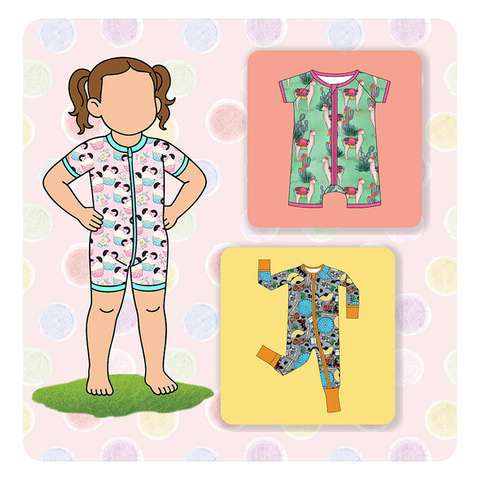
Navigating the Wholesale Market: Compliance and Creativity
Operating successfully in the trendy kids' wholesale clothing market demands a balanced approach to design and compliance. While creativity is essential in capturing the hearts and minds of a young demographic, ensuring that products meet the necessary safety standards cannot be overlooked.
Collaboration between designers and compliance officers during the product development phase is crucial. This collaboration helps in introducing innovative designs while meticulously adhering to CPC and CPSIA guidelines, ensuring that every piece of clothing strikes the perfect balance between aesthetic appeal and safety.
: Staying Ahead in an Evolving Market
The trendy kids' wholesale clothing sector is energetic and diverse, offering vast opportunities for growth. However, businesses must navigate a complex web of legal requirements and quality expectations to truly capitalize on this potential.
By prioritizing compliance with CPSC and CPSIA standards, conducting thorough QC audits, and fostering strong partnerships with retailers, wholesalers can ensure that their products not only capture market trends but do so safely and reliably.
Ultimately, succeeding in this competitive field requires a steadfast commitment to innovation and safety, reassuring retailers and end-consumers alike that trendy kids' clothing is as safe as it is stylish.
| Fabric Type | Pima Cotton |
| Compliance | GOTS Organic |
| Customization | Custom |
| Lead Time | 31 Days |