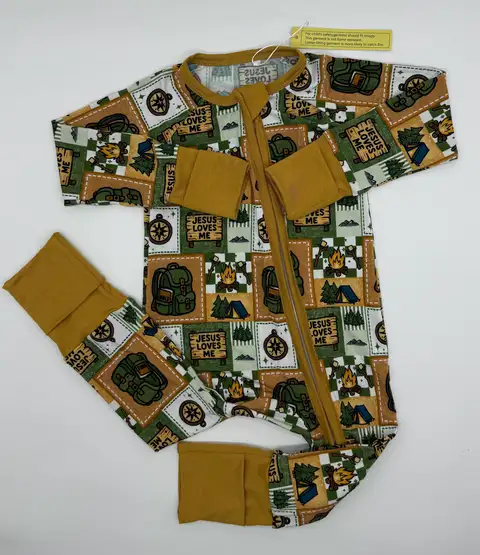
Astm F963 Bamboo Pajama Manufacturer Odm Factory

Bamboo Pajama Manufacturer: Navigating CPC/CPSIA Requirements and QC Audits
The demand for sustainable and comfortable apparel has led to a significant rise in the production of bamboo pajamas. These garments offer exceptional benefits such as thermal regulation, moisture-wicking properties, and eco-friendliness. However, for manufacturers aiming to break into the U.S. market, adherence to Consumer Product Safety Commission's (CPSC) regulations is crucial. This article focuses on understanding the Consumer Product Safety Improvement Act (CPSIA) legal requirements and ensuring stringent Quality Control (QC) audits in the manufacture of bamboo pajamas.

Understanding CPSIA Requirements
The CPSIA lays out stringent guidelines to ensure the safety of consumer products, with a special focus on items intended for children. As a manufacturer producing bamboo pajamas, it is imperative to comprehend these regulations to ensure compliance and avoid hefty penalties.
Bamboo pajamas for children must comply with lead content limits, phthalates limits, and meet flammability standards outlined in the Flammable Fabrics Act (FFA). The CPSIA mandates a total lead content limit of 100 ppm, which demands thorough testing of fabric, dyes, and other components involved in manufacturing. Additionally, pajamas must comply with regulations concerning the presence of specific phthalates, a requirement that applies majorly to pajamas containing plasticized parts or embellishments.
Testing and Certification
Proactive Approach to Lead and Phthalates Testing
Manufacturers should engage certified laboratories to conduct lead and phthalates content testing early in the product development cycle. Test results must be documented meticulously, as they form a significant part of the General Certificate of Conformity (GCC), a mandatory document that confirms product compliance with applicable standards.
Flammability Standards Compliance
Given the nature of sleepwear, flammability is a critical compliance area. The CPSC requires children’s sleepwear to pass specific flammability tests to prevent fire-related injuries. Manufacturers can choose to treat garments with flame retardants or design them to fit snugly, thereby reducing flammability risks.
Implementing Quality Control Audits
Quality control is an integral part of manufacturing that ensures the final bamboo pajamas meet safety and quality standards. Effective QC audits help identify defects early in the production process, reducing recalls and enhancing brand reputation.
Developing a Robust QC Strategy
A comprehensive QC strategy begins with establishing material inspection protocols. Bamboo fibers should be examined for consistency in texture, color, and strength. Regular checks during the dyeing and finishing stages help prevent contamination and ensure that chemical treatments meet safety standards.
Production Process Audits
QC audits should extend to the production floor, where inspectors assess adherence to sewing patterns, stitching quality, and the integrity of seams and buttons. Advanced Quality Assurance (QA) techniques, such as Six Sigma, can be integrated to streamline production processes and minimize defects.
Final Product Inspection
Before dispatching the final product, a thorough inspection should be conducted to ensure each pajama set meets the design specifications and is free from defects. This phase is also crucial for reassessing compliance with CPSIA standards, ensuring labels and tags are accurate, and the GCC is updated to reflect any changes in materials or processes.
Navigating CPC/CPSIA Legal Obligations
Staying updated on evolving legal requirements is key for bamboo pajama manufacturers. Regularly reviewing CPSC updates, engaging in continuous education, and consulting with legal and compliance experts can help manufacturers stay ahead of regulatory changes.

| Fabric Type | Organic Bamboo |
| Compliance | GOTS Organic |
| Customization | Tailor-made |
| Lead Time | 17 Days |
Documentation and Record Keeping
Maintaining detailed records of testing and certification processes is not only a legal obligation but also a best practice for quality assurance. Manufacturers should retain records for at least five years, ensuring they are readily accessible to demonstrate compliance during audits or investigations.
Engaging Reputable Testing Partners
Collaborating with accredited laboratories ensures credibility and accuracy in test results. These partnerships are essential, as they afford manufacturers access to cutting-edge testing methodologies and advisory services tailored to meet specific product requirements.
By integrating a rigorous approach to QC and staying vigilant about compliance requirements, bamboo pajama manufacturers can successfully navigate the complexities of CPC/CPSIA regulations. This proactive mindset not only safeguards against legal pitfalls but also enhances product quality and consumer trust, paving the way for long-term success in the competitive apparel market.