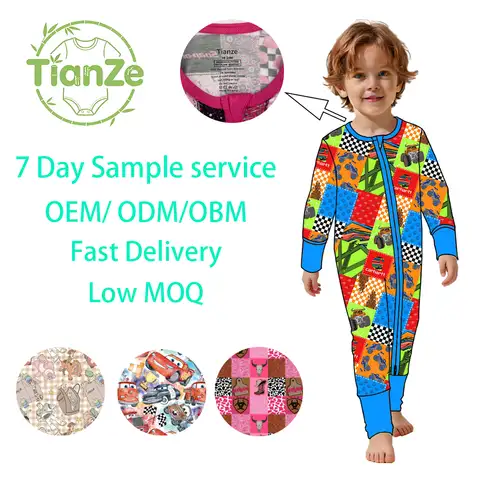
Astm F963 Bamboo Pajama Manufacturer Cpc Certified Exporter

Bamboo Pajama Manufacturing: Navigating CPC/CPSIA Compliance and Quality Control Audits
Bamboo pajamas offer a sustainable, comfortable alternative in the textile industry, capturing the interest of consumers and retailers globally. However, to succeed in this competitive market, manufacturers must ensure compliance with CPC (Consumer Product Certification) and CPSIA (Consumer Product Safety Improvement Act) requirements alongside rigorous Quality Control (QC) processes. This article will explore the intricacies involved in bamboo pajama manufacturing, focusing on legal compliance and quality control audits.

Understanding CPC/CPSIA Requirements
Adherence to CPC/CPSIA standards is crucial for bamboo pajama manufacturers aiming to distribute in the United States. The CPSIA mandates stringent safety requirements intended to protect consumers, particularly children, from hazardous products. Bamboo pajama manufacturers need to secure a Consumer Product Certificate (CPC) to verify their products comply with specified safety standards.
The CPC must include several key elements: product identification, the citation to the relevant children’s product safety rule, manufacturer or private labeler details, contact information of the person maintaining test records, date and location of manufacture, and testing date and location. Understanding and integrating these requirements into production processes ensures legal compliance and helps avoid costly penalties or product recalls.
Leveraging Quality Control Audits
Quality Control (QC) audits play a vital role in maintaining the high standards expected in bamboo pajama manufacturing. These audits are essential tools, enabling manufacturers to verify the quality and safety of their products, thus fostering trust with retailers and end-users.
QC audits typically encompass several stages, including pre-production checks, inline inspections, and final product inspections. Each stage helps identify and rectify issues early, reducing the risk of defects and ensuring the end product meets both safety regulations and consumer expectations. Implementing comprehensive QC audits can differentiate bamboo pajama manufacturers in a saturated market, emphasizing their commitment to quality and safety.
Integrating Compliance with QC Audits
Effective integration of CPC/CPSIA compliance within QC audits streamlines operations, ensuring that legal requirements are met without compromising on quality. This holistic approach involves regular communication between compliance officers and QC teams, fostering a collaborative environment that prioritizes both legal and quality standards.
Manufacturers can adopt various strategies to meld compliance with QC audits effectively. Training staff on the latest compliance changes, investing in technology that enhances product testing, and establishing clear protocols for identifying non-compliance can lead to a robust manufacturing process. Ultimately, integrated compliance ensures streamlined operations, mitigating risks and enhancing product reliability.
The Role of Technology in Compliance and QC
Technological advancements offer bamboo pajama manufacturers invaluable tools for meeting compliance and quality standards. Automated testing machines, data-driven monitoring systems, and sophisticated compliance management software play pivotal roles in enhancing both productivity and precision.
Automation in quality control audits allows for seamless inspection processes, minimizing human error and accelerating detection of potential issues. , data analytics tools can offer insights into production patterns, helping manufacturers predict and preempt compliance hiccups before they arise.

Investing in technology not only augments compliance efforts but also enhances quality assurance in bamboo pajama manufacturing. It enables manufacturers to stay competitive, adapt to evolving regulations, and maintain consistently high standards.

| Fabric Type | Organic Bamboo |
| Compliance | ASTM F963 |
| Customization | Tailor-made |
| Lead Time | 21 Days |
: A Pathway to Excellence
Bamboo pajama manufacturers face myriad challenges, from stringent CPC/CPSIA requirements to maintaining high standards through QC audits. Successfully navigating these elements calls for an integrated approach that prioritizes compliance and quality concurrently.
As consumer demand for sustainable products grows, manufacturers committed to excellence must leverage the latest compliance strategies and technological advancements. By doing so, they not only meet regulatory expectations but also build strong, lasting relationships with consumers who value safety, quality, and sustainability.