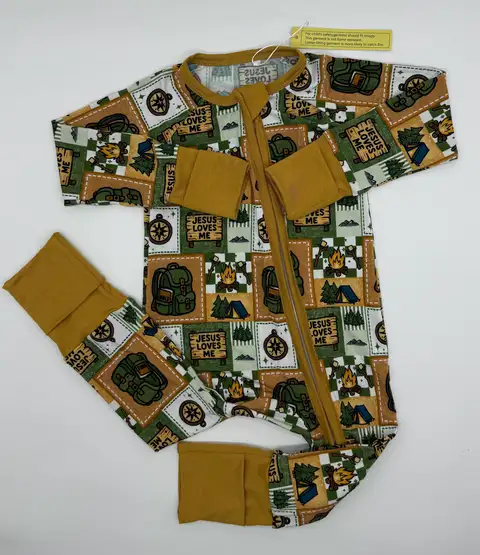
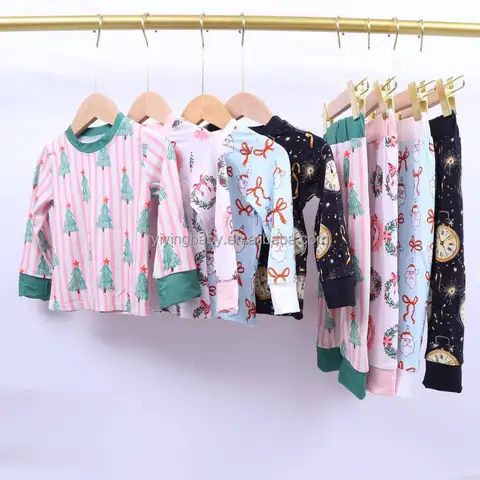
Astm F963 Bamboo Kids Clothing Wholesale Oem Wholesale

Bamboo Kids Clothing Wholesale: Navigating CPC/CPSIA Compliance and Quality Control Audits
The demand for eco-friendly and sustainable products such as bamboo kids clothing continues to increase as businesses and consumers alike recognize the importance of environmental responsibility. However, for those looking to go into bamboo kids clothing wholesale, understanding and navigating the regulatory landscape is crucial. This article explores the key aspects of Consumer Product Safety Commission (CPSC) and Consumer Product Safety Improvement Act (CPSIA) requirements, alongside quality control audits, all critical for success in this niche.
Understanding CPC and CPSIA Requirements
The Consumer Product Safety Commission (CPSC) is an agency charged with protecting the public from unreasonable risks of injury or death associated with consumer products. For businesses dealing in children's clothing, compliance with CPSC standards is not just recommended, it's required. These standards ensure that products are safe for use by children.
CPSIA, enacted in 2008, strengthens consumer product safety standards and increases the oversight of the products intended for use by children. Key provisions of CPSIA that impact bamboo kids clothing include lead content, phthalate restrictions, and mandatory toy safety standards. Understanding these requirements is essential for wholesalers to ensure product safety and maintain compliance. Let's delve into the critical elements:
1. Lead Content and Testing
Lead is a toxic substance, and its presence in children's products is strictly regulated under CPSIA. All materials used in bamboo kids clothing designed for children 12 years and younger must meet lead content limits, which currently stand at 100 parts per million (ppm). Consistent testing and documentation are mandatory to guarantee compliance.
The testing must be conducted by CPSC-accepted laboratories. This ensures impartiality and accuracy in results. Many manufacturers integrate testing into their quality control processes to align with statutory requirements and foster consumer trust.
2. Phthalate Restrictions
Phthalates are chemicals often used to make plastics more flexible. CPSIA restricts eight specific phthalates when present in concentrations above 0.1%. Bamboo kids clothing manufacturers must scrutinize components such as prints, decals, or accessories that may contain plastic to ensure compliance.
These regulations offer peace of mind by guaranteeing the safety of products nationally. Wholesalers must maintain records of phthalate testing, which also drives thorough inspections during quality control audits.
3. Third-party Testing and Certification
Every product meant for children must undergo third-party testing. This testing leads to the issuance of a Children's Product Certificate (CPC), which serves as proof of compliance. The certificate should accompany every shipment of bamboo kids clothing and include comprehensive information on the manufacturer, product, testing facility, and specific test results.
The certification process supports both legal and commercial needs. As it helps mitigate risks associated with non-compliance, it also instills trust among retailers and consumers. Every layer of testing confirms the wholesaler's commitment to selling safe, high-quality products.
The Role of Quality Control Audits
Quality control is integral to the production and wholesale distribution of bamboo kids clothing. Consistent quality control audits help ensure that products meet both regulatory standards and consumer expectations. These audits, often conducted internally or by third-party organizations, assess various product attributes such as durability, fabric quality, stitching, and safety.
1. Auditing Practices
Effective auditing practices involve setting benchmarks for product quality and safety, testing samples from production batches, and systematically reviewing manufacturing processes. Key focus areas include fabric composition analysis, verification of color consistency, strength assessments, and inspections for choking hazards in trims or decorations.
Adopting stringent auditing practices not only assures compliance but also elevates brand reputation. Wholesalers gain confidence in product offerings and are better positioned to command customer loyalty and expanded market reach.
2. Integrating Legal Compliance into Audits
Compliance with CPC and CPSIA should be seamlessly integrated into auditing practices. Legal knowledge, including updates on standards or amendments, must be communicated across audit teams. This integration guarantees that every audit reflects regulatory adherence, preventing potential legal challenges or recalls.
| Fabric Type | Organic Bamboo |
| Compliance | CPSIA Compliant |
| Customization | Bespoke |
| Lead Time | 36 Days |
Leveraging technology, such as automated compliance tracking and digital certification management, streamlines this integration. Such tools enhance transparency and efficiency, bolstering quality assurance through precise, documented oversight.
3. Continual Improvement and Training
For bamboo kids clothing wholesalers, continuous improvement in quality control is mandatory. Regular review of audit outcomes and feedback loops facilitates improvements in processes and products. The establishment of comprehensive training programs enables staff at all levels to understand regulatory demands and quality expectations, promoting a culture of excellence.
Navigating CPC/CPSIA compliance and maintaining rigorous quality control audits ensure that bamboo kids clothing wholesalers can operate successfully in a competitive and regulated market. While these requirements can appear daunting, understanding the regulations and integrating thorough auditing practices will not only safeguard commercial operations but also foster trust with consumers and retail partners. In this way, businesses can capitalize on the growing demand for sustainable children's clothing, with bamboo products leading the charge towards eco-friendly fashion.
This HTML article is structured to be technical yet engaging, designed to inform a business audience on the complexities and necessities of compliance and quality within the bamboo kids clothing wholesale industry.