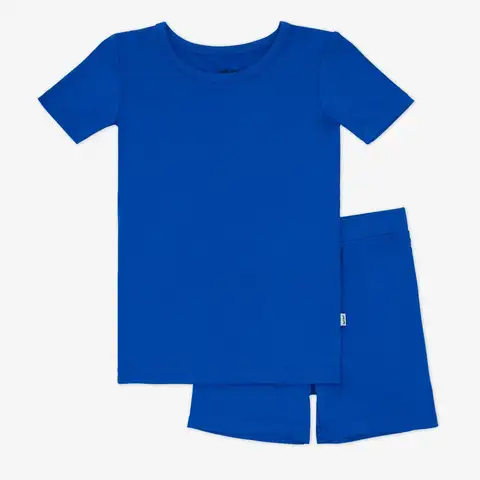
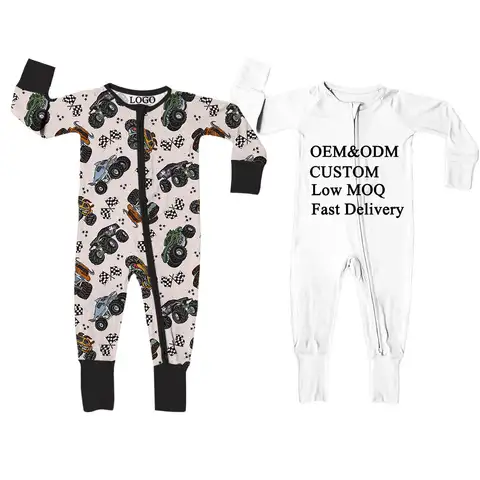
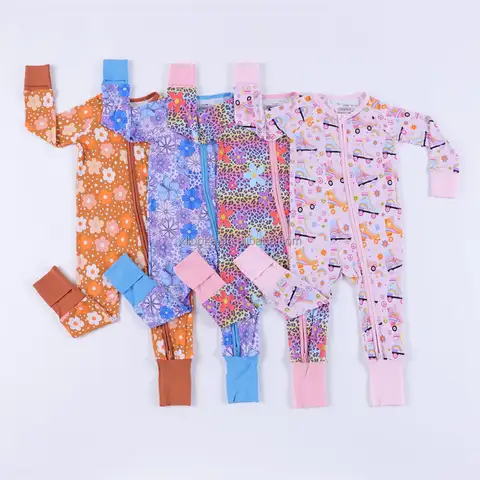
Astm F963 Baby Onesies Bulk Custom Manufacturer
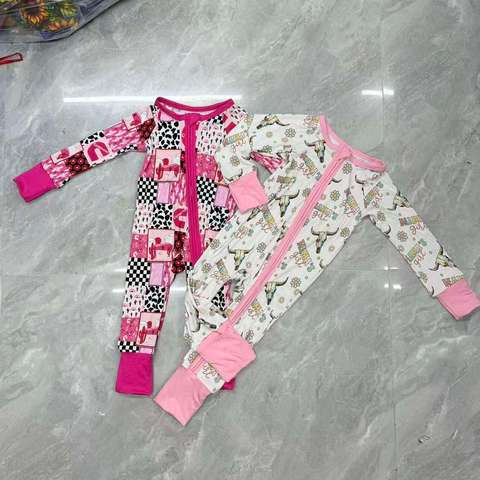
Ensuring Safety and Compliance When Purchasing Baby Onesies in Bulk
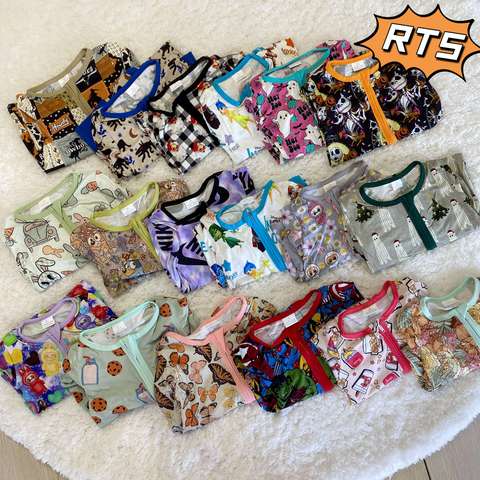
The decision to purchase baby onesies in bulk involves more than just economic calculations; it necessitates an in-depth understanding of legal standards and quality assurance protocols. At the heart of this endeavor are the Consumer Product Safety Improvement Act (CPSIA) and the Consumer Product Compliance (CPC), crucial benchmarks for ensuring the safety and reliability of children's garments. This article will walk you through the essential requirements and quality control (QC) audits necessary when dealing with bulk purchases of baby onesies, effectively balancing legal compliance with business profitability.
Understanding CPSIA Requirements
The CPSIA, enacted in 2008, significantly revised previous consumer product safety laws, specifically in response to growing concerns over lead content in children's products. When dealing with baby onesies, compliance with CPSIA is non-negotiable. Key points include:

- Lead Content Standards: The law stipulates that products, coatings, and materials should not exceed 100 ppm total lead content. Ensuring onesies meet these requirements is crucial for legal distribution in the U.S. market.
- Phthalates Restrictions: CPSIA restricts the use of several phthalates in child care articles to no more than 0.1%. These chemicals affect plasticity and could pose health risks, making their regulation pivotal in apparel fabrications.
- Mandatory Third-Party Testing: Third-party laboratories accredited by the Consumer Product Safety Commission (CPSC) must conduct safety tests. Certificates of conformity are required to demonstrate compliance, which are crucial for importers and wholesalers.
Navigating CPC Regulations
While CPSIA covers specific safety aspects, the broader CPC compliance involves ensuring that the product aligns with all regulatory mandates concerning children's apparel. A proactive CPC strategy includes:
- Labeling Accuracy: Consistent with the Textile Fiber Products Identification Act, labels must include the manufacturer or distributor's details, the country of origin, and fiber content specifications. Misrepresentation can lead to stern actions from regulatory bodies.
- Tracking Labels: CPSIA introduces tracking labels, allowing easy product traceability in case of recalls or consumer safety issues. It's fundamental that onesies in bulk adhere to this stipulation to facilitate prompt corrective actions.
- Flammability Standards: Baby onesies must meet the flammability requirements outlined for children's textiles. Utilizing inherently flame retardant fabrics can suffice in meeting these critical safety standards, thereby reducing liability risks.
The Role of Quality Control Audits
Beyond meeting regulatory requirements, maintaining rigorous quality control audits ensures that your baby onesies not only comply with safety standards but also meet customer satisfaction benchmarks. Here’s a structured approach to effective QC audits:
- Pre-Production Inspections: Before mass production begins, inspect sample onesies for stitching quality, fabric texture, and measurement accuracy. This step preempts non-compliance issues down the line.
- In-Process Quality Checks: These ongoing inspections help identify defects early. They allow for real-time corrections, minimizing post-production waste and ensuring continuous compliance with CPSIA and CPC standards.
- Final Product Examination: Conduct comprehensive checks post-production before shipment. This inspection verifies the product against specifications, checking for loose buttons, stitching defects, and other hazardous conditions.
Balancing Compliance with Cost Efficiency
Bulk purchasing of baby onesies requires a strategic approach that aligns both compliance and cost efficiency. Consider these factors:
- Supplier Certification Checks: Engage with suppliers who have proven CPC and CPSIA compliance records. Vendor partnerships should extend beyond cost negotiations to include shared safety and compliance commitments.
- Invest in Technology: Leverage technological solutions such as AI-driven quality checks or supply chain monitoring tools to optimize the compliance audit process, thus enhancing efficiency and accuracy.
- Continuous Training Programs: Ensure that teams are updated with the latest regulatory changes and quality assurance protocols. Training fosters a compliance-driven culture, minimizing risks of oversight.
, purchasing baby onesies in bulk is a multifaceted process that demands acute attention to detail, especially in the domains of consumer safety regulations and quality assurance audits. While the legislative landscape can be challenging to navigate, a well-structured compliance strategy will not only safeguard your business from potential liabilities but also solidify your market reputation as a reliable and responsible supplier. As CPSIA and CPC requirements evolve, staying informed and adopting proactive measures will be key to sustained success in this sector.
| Fabric Type | Pima Cotton |
| Compliance | CPC Certified |
| Customization | Tailor-made |
| Lead Time | 16 Days |