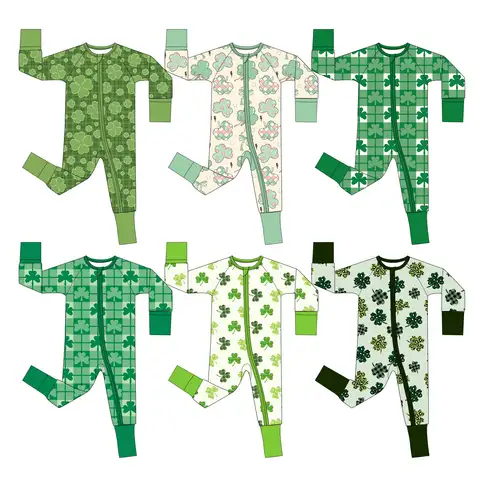
Astm F963 Baby Clothing Distributor Oem Supplier
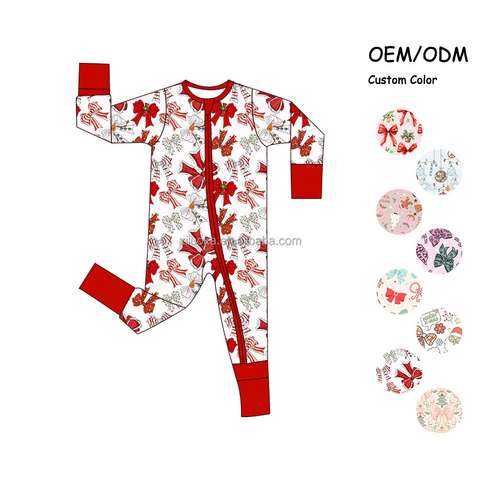
Understanding CPC/CPSIA Requirements for Baby Clothing Distributors
In the dynamic realm of baby clothing distribution, compliance with safety regulations is not just a legal obligation but a cornerstone for establishing trust with consumers. As an inspector focusing on the Consumer Product Safety Improvement Act (CPSIA) and Children's Product Certificate (CPC) requirements, it's crucial to navigate these legal frameworks effectively. Adherence to these laws not only safeguards consumers but also fortifies a distributor's market credibility.
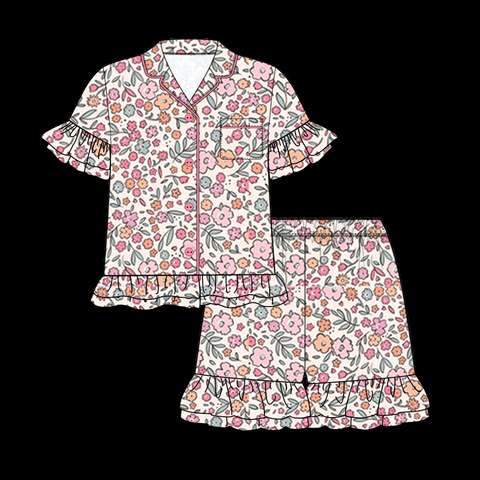
Decoding CPSIA: Essential Compliance for Baby Clothing
The CPSIA, enacted in 2008, was designed to enforce stringent safety standards for children's products, primarily to prevent lead and phthalates exposure. Baby clothing distributors must be acutely aware of these regulations to ensure their products are safe and compliant.
Lead Content Limits
One core tenet of the CPSIA is the restriction on lead content. The law stipulates that any product intended for children aged 12 and under must not contain more than 100 parts per million (ppm) of total lead content. This is critical in items such as snaps, zippers, and decorative elements commonly used in baby apparel.
Phthalates Restrictions
In addition, phthalates, often used to increase the flexibility of plastics, are strictly regulated. The CPSIA limits the presence of certain phthalates in children’s toys and childcare articles to 0.1%. Distributors must ensure that baby clothing and accessories fall within these limits to avoid severe penalties and product recalls.
Crafting a Compliant CPC
A Children's Product Certificate (CPC) serves as a declaration that a children's product complies with the applicable product safety regulations. All baby clothing distributors need to issue a CPC for each product, asserting that it meets the mandated safety standards.
Mandatory Testing Requirements
The creation of a CPC begins with rigorous product testing. Distributors must engage CPSC-accepted laboratories to conduct tests on their products. These labs will test for lead content, phthalates, and, where applicable, flammability for clothing items. Maintaining a dossier of these test results is essential for a seamless certification process.
CPC Documentation
When drafting a CPC, include critical information such as the product's description, the applicable safety regulations, the date and location of testing, and details about the testing laboratory. Transparency in documentation not only complies with legal necessities but also enhances the distributor's reputation for safety and reliability.
Implementing QC Audits for Quality Assurance
Beyond regulatory adherence, quality control (QC) audits act as a proactive measure to maintain high standards in baby clothing manufacturing and distribution. These audits delve into every facet of production, from sourcing raw materials to final product evaluation. Let's explore key components of effective QC audits.
The Scope of QC Audits
QC audits assess the compliance of manufacturing processes and product quality against established benchmarks. For baby clothing, this includes fabric quality, seam integrity, and garment construction, which directly impacts the safety and comfort of the end user — the baby.
Factory Inspections
Conducting thorough factory inspections is a cornerstone of QC audits. Distributors should schedule regular assessments of factories, evaluating their hygiene, machinery maintenance, and safety practices. A well-maintained factory is less likely to produce defective or hazardous products.
Random Sampling and Product Testing
Regular random sampling of finished products is crucial. By testing samples against established safety and quality benchmarks, distributors can identify variances early and implement corrective actions before the product reaches consumers. This proactive measure can significantly reduce the risk of costly recalls.
Benefits of Compliance and QC Audits
The advantages of adhering to CPSIA requirements and conducting QC audits span legal, commercial, and reputational domains.
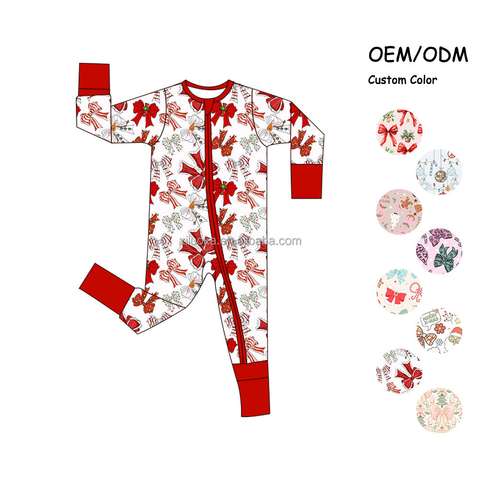
Enhanced Legal Compliance
Compliance ensures that distributors are operating within the legal framework, mitigating the risk of penalties. Understanding and implementing CPC/CPSIA requirements help avoid disruptions to business operations due to regulatory non-compliance.
Elevated Brand Trust
| Fabric Type | Organic Bamboo |
| Compliance | ASTM F963 |
| Customization | OEM |
| Lead Time | 25 Days |
When distributors adhere to safety regulations and demonstrate commitment through regular QC audits, it reflects on the brand's commitment to child safety. This commitment builds consumer trust, fostering brand loyalty and opening doors to new business opportunities.
Operational Efficiency
Regularly scheduled QC audits contribute to operational efficiency. By identifying and resolving issues within the supply chain promptly, distributors can streamline production processes, reduce waste, and improve product quality.
For baby clothing distributors, navigating the intricate landscape of CPSIA regulations and implementing robust quality control systems are vital strategies for success. They not only ensure legal compliance but also elevate the quality of products reaching the market. As inspectors, understanding and promoting these practices ensures that distributors not only adhere to legal standards but also thrive in a competitive market, bolstering consumer trust with each CPC certification and QC audit conducted. By embedding these practices into their operational framework, distributors can maintain a strong market position, delivering safe and quality baby clothing worldwide.